Japan with Kids Family Budget Guide 2026: Tokyo, Kyoto & Osaka Trips for All Ages Under ¥25,000/Day
A practical 2026 family travel guide to Japan — age-by-age strategies, family-friendly accommodation, kid-friendly food, free activities, Tokyo Disney and USJ, day trips from Tokyo/Kyoto/Osaka, packing for kids, and 7-day family itineraries under ¥25,000/day.
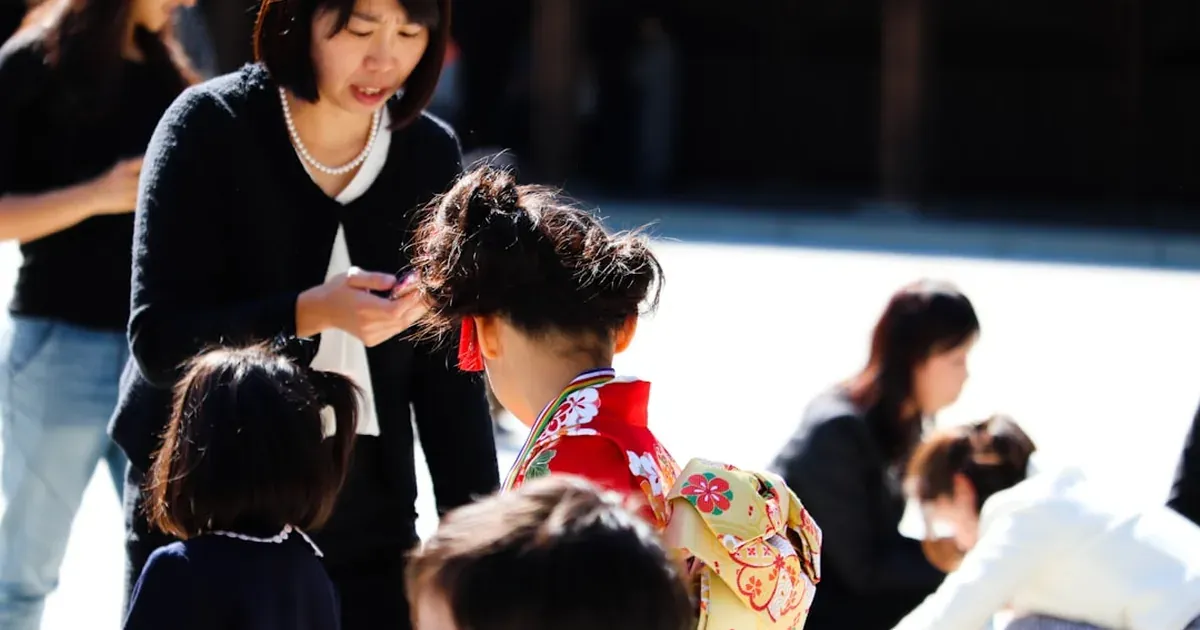
The short answer: Japan is one of the safest, easiest, and most family-friendly travel destinations in the world. The transit is designed for kids (stroller-friendly, clean, punctual), the food accommodates picky eaters (rice, noodles, chicken everywhere), the free attractions are universally enjoyable (parks, shrines, aquariums, deer), and the country has the world’s most kid-friendly culture (people will offer to help you, smile at your kids, give them stickers). A family of 4 can do a 7-day Tokyo-Kyoto-Osaka trip for ¥700,000 (~$4,700) — half the cost of a US Disney vacation. Plan ¥20,000–25,000/day for a family of 4, or ¥120,000–175,000 for a 7-day trip.
Japan is the #1 family destination in Asia for good reason: it’s safe, the transit works, the food is approachable for picky eaters, and there are more free kid-friendly activities than any other developed country. The downsides: some ryokan reject children under a certain age, stroller access on public transit is awkward (escalator etiquette varies), and some traditional restaurants don’t have kid seats. The actual challenges are logistics (jet lag, transit), not safety.
This guide covers what works by age (0–5, 6–12, teens), where to stay with kids, kid-friendly food strategies, the free activities, the Tokyo Disney and USJ question, day trips for families, packing for kids, and a 7-day family itinerary.
Japan by Age — The Strategy Changes Dramatically
The same Japan trip plays completely differently by age. Choose your strategy based on the youngest traveler:
Age 0–5 (Babies, Toddlers, Preschoolers)
The priorities: Stroller access, nap schedules, short days, no queueing, kid-friendly food.
What works:
- Disney parks (Tokyo Disneyland, DisneySea) — designed for ages 3+, but preschoolers love the characters
- Ueno Zoo (¥600) — small, manageable, kids love it
- Nara deer park — toddlers can be carried, deer are gentle
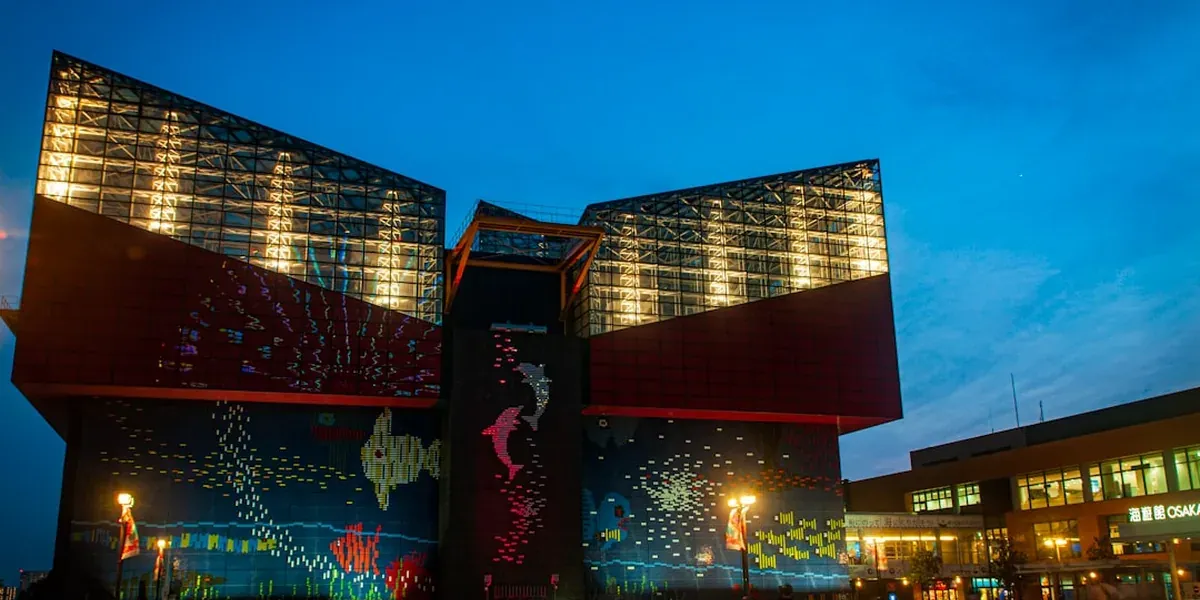
- Aquariums (Osaka Kaiyukan, Shinagawa) — dark, calm, stroller-friendly
- Yoyogi Park + Meiji Shrine walk — flat, stroller-friendly, 40-minute loop
- Ramen shops with kid seats — most major chains have high chairs
- Hotel family rooms — APA, Toyoko Inn, Dormy Inn all have 4-person rooms
What doesn’t work:
- Long Shinkansen rides (5+ hours) — kids get restless
- Crowded temples at peak times (Fushimi Inari at 10am)
- Long walking days (15,000+ steps)
- Strict restaurant etiquette (kaiseki ryokan, sushi omakase)
- Late nights (kids asleep by 8pm)
The 0–5 trip formula: 2 cities max (Tokyo + Kyoto, or Tokyo + Osaka), 4 nights each, 1 day trip per city, no Disney (too crowded for strollers), no long hikes.
For the broader Japan flight and eSIM setup, see the best eSIM Japan 2026 guide.
Age 6–12 (Elementary School Kids)
The priorities: Variety, education, kid-friendly “wow” moments, manageable walking distances.
What works:
- Tokyo Disneyland + DisneySea — the #1 highlight for this age
- Universal Studios Japan (USJ) — Super Nintendo World is the standout
- Ninja-themed restaurants and shows — kids 6+ love the cultural play
- Mt Fuji day trip — kids love the “almost summit” viewpoint
- Hakone ropeway + pirate ship cruise — the boat ride is a kid favorite
- Kamakura Great Buddha — kids love the size
- Cup Noodles Museum (Yokohama) — make your own cup noodles
- Pokemon Center, Nintendo Store — Akihabara and Shibuya
What doesn’t work:
- Long mountain hikes (Kamikochi, Kumano Kodo)
- Quiet art museums (no engagement)
- Strict schedule days (kids need buffer)
- Late nights (kids asleep by 9pm)
The 6–12 trip formula: 3 cities (Tokyo + Kyoto + Osaka), 3 nights each, 2 day trips, 1 Disney/USJ day, 1 rest day.
For the day trip options, see the Tokyo day trips hub, the Nara day trip guide, and the Hakone day trip guide.
Age 13–17 (Teens)
The priorities: Independence, photo-worthy spots, “cool” Japan, shopping, social experiences.
What works:
- Akihabara — anime, electronics, gaming
- Shibuya + Harajuku — fashion, people-watching, photo ops
- Shinjuku at night — Golden Gai, Memory Lane (with parents for dinner)
- TeamLab Borderless / Planets — immersive art
- Mt Fuji climb — the Fuji huts are designed for teens
- Okinawa — beaches, scuba, water sports
- Hikarie, Shibuya Sky, Mori Tower — observation decks
- Don Quijote, Tower Records, vintage shops — shopping
What doesn’t work:
- Slow-paced cultural days (teens get bored)
- Strict kid-only attractions (teens want adult experiences)
- Long structured itineraries (teens need flex time)
The teen trip formula: 4 cities (Tokyo + Hakone + Kyoto + Osaka), 2–3 nights each, mix of “must-see” and free time, 1 USJ day, shopping budget.
For the broader Japan travel apps (essential for teens), see the travel apps guide.
Where to Stay with Kids
Family accommodation in Japan is different from solo/couple travel. The cheapest hostels don’t accept kids under 12 in dorms, the room sizes are smaller than Western hotels, and most chains charge per-person (not per-room).
The 4 Best Family Accommodation Types
1. Business hotels with family rooms — the budget default
| Chain | Family room size | Price/night (family of 4) | Notes |
|---|---|---|---|
| APA Hotel | 2 double beds or 2 twins + sofa | ¥10,000–18,000 | The most reliable chain, most locations |
| Toyoko Inn | 2 double beds | ¥9,000–15,000 | Free breakfast for kids under 12 |
| Dormy Inn | 2 double beds, onsen access | ¥12,000–20,000 | Best for onsen-with-kids experience |
| Route Inn | 2 double beds | ¥9,000–14,000 | Budget-friendly, smaller rooms |
| Washington Hotel | 2 double beds | ¥10,000–16,000 | Central locations |
For the platform comparison (Booking.com, Agoda, direct), see the hotel booking guide.
2. Family ryokan — the cultural experience
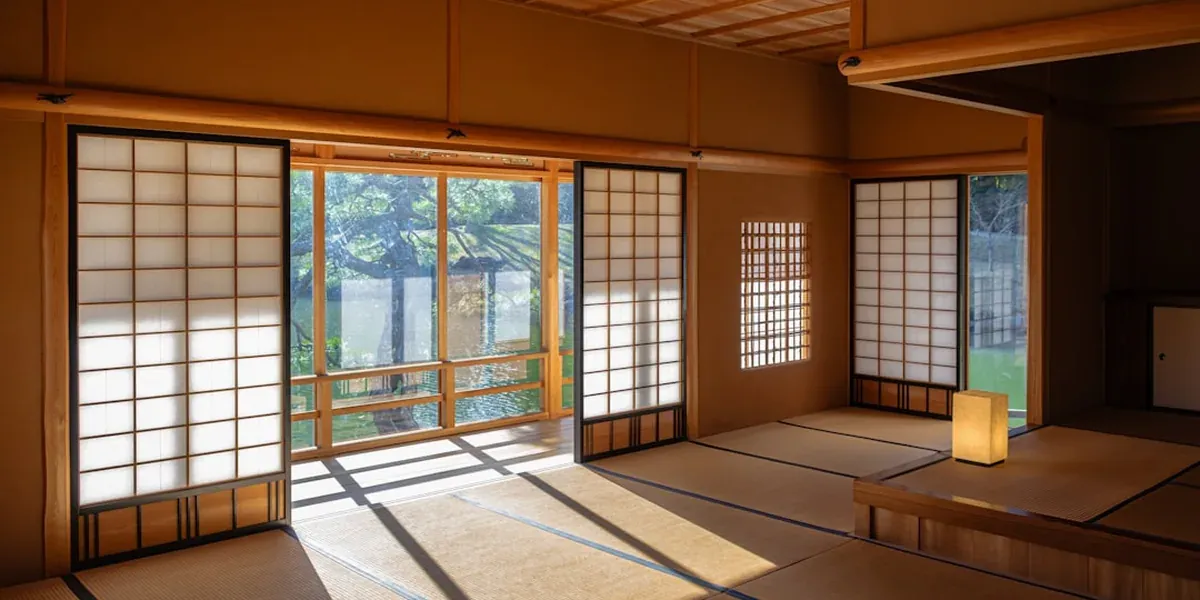
Most traditional ryokan accept families. The room is a tatami space with futon bedding (4 futons fit comfortably in a standard 10-tatami room), dinner is kaiseki (multi-course, kid-friendly items available on request), and the onsen is often family-friendly at set hours.
| Ryokan | Region | Family rate/night (4 people) | Notes |
|---|---|---|---|
| Hoshinoya Karuizawa | Karuizawa | ¥80,000–120,000 | The luxury pick, kids welcome |
| Takaragawa Onsen | Gunma | ¥40,000–60,000 | Mixed-gender outdoor onsen, family-friendly |
| Yama no Chaya | Hakone | ¥30,000–50,000 | Mountain ryokan, family rooms |
| Nakanobo Zuien | Kobe (Arima) | ¥30,000–45,000 | 700-year-old ryokan, accepts kids |
| Kawayu温泉 | Wakayama (Kumano) | ¥20,000–35,000 | Hot spring by the river, family-friendly |
For the full onsen/ryokan breakdown (including tattoo policies, child age minimums), see the onsen budget guide.
3. Airbnb / vacation rentals — the cheapest for 4+ people
For stays of 4+ nights, vacation rentals are often cheaper than hotels for a family of 4. The downsides: the Airbnb tax (10% in 2026), many listings have minimum stays, and most don’t include daily cleaning.
| City | Family apartment/night (¥) | Notes |
|---|---|---|
| Tokyo | ¥10,000–20,000 | 2-bedroom apartments available |
| Kyoto | ¥8,000–18,000 | Machiya (traditional houses) are family favorites |
| Osaka | ¥8,000–15,000 | More spacious than Tokyo |
4. Family capsule hotels — the kid-friendly novelty
Some capsule hotels accept children. The novelty is the experience, not the comfort. Best for ages 6+, only for 1 night as a fun surprise.
For the broader accommodation strategy, see the budget accommodation guide.
Kid-Friendly Food — The Easiest Country for Picky Eaters
Japan is one of the easiest countries for picky eaters and food-allergic kids. The food culture is built on rice, noodles, mild chicken, fish, and eggs — all of which most kids already eat.
What Kids Eat in Japan
- Rice (gohan) — the universal kid food, served with every meal
- Udon — thick wheat noodles in mild broth, kid-friendly
- Soba — thinner wheat noodles, sometimes buckwheat (nut-free)
- Ramen — most chains have a “kids ramen” (¥500–700) or the regular tonkotsu is mild enough
- Chicken (karaage) — fried chicken, every konbini and most restaurants
- Sushi — tamago (egg), salmon, tuna are kid favorites. Most conveyor belt (kaiten) sushi has kid menus.
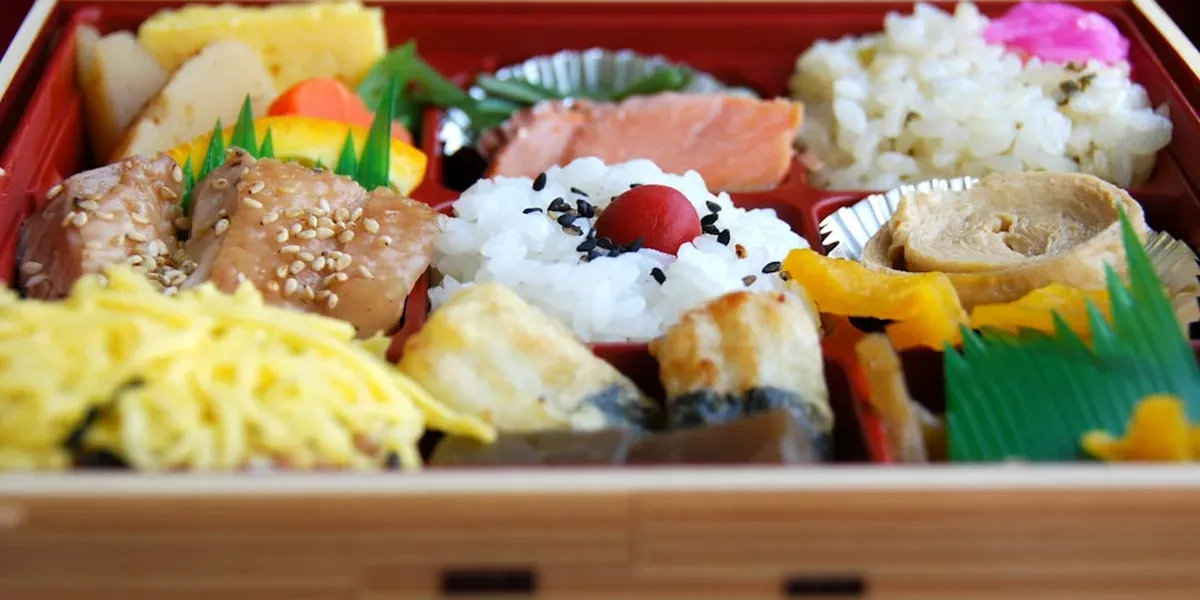
- Bento boxes — convenience store and ekiben (train station) bentos are pre-portioned
- Onigiri — rice balls, ¥120 each, every flavor imaginable
- Yakitori — grilled chicken skewers, ¥150 each
- Curry rice (kare raisu) — Coco Ichibanya has a kid menu (¥450–700) with mild curry
- Pancakes — most cafes have pancakes for breakfast
The Picky Eater Strategy
The “rice + chicken + egg” rule: Every restaurant in Japan serves rice, fried chicken, and egg. If your kid refuses everything else, they can eat a meal at any restaurant.
The konbini fallback: If a restaurant fails, every convenience store (7-Eleven, FamilyMart, Lawson) has onigiri (¥120), bento boxes (¥400–600), and yakitori (¥200). The konbini food is reliably safe — see the convenience store food guide for the full breakdown.
The kid menu reality: Most family restaurants (Gusto, Saizeriya, Denny’s) have English kid menus with pictures. Mid-range izakaya and ramen shops rarely have kid menus — order the rice + a side dish.
Food Allergies in Japan
Japan is one of the strictest countries for food allergen labeling. Restaurants and konbini products label for the 8 mandatory allergens (egg, milk, wheat, buckwheat, peanut, shrimp, crab, walnut). For more detail, see the food allergy travel guide by JNTO (the official tourism site).
For celiac disease and gluten-free, see the vegan budget guide — many of the same strategies apply (the shōjin ryori in Kyoto is fully vegan, gluten-free rice options are available).
Where Kids Eat Free or Cheap
| Restaurant type | Age for free kids’ meal | Age for kids’ menu | Cost |
|---|---|---|---|
| Toyoko Inn (hotel breakfast) | Under 12 | — | Free |
| Royal Host (family restaurant) | Under 6 | Kids menu ¥500 | Cheap |
| Gusto | Under 6 | Kids menu ¥400 | Cheap |
| Saizeriya | Under 6 (small) | Family sharing | Cheap |
| Saizeriya (Tokyo) | Under 5 | Kids menu ¥300 | Cheap |
| Coco Ichibanya | None | Kids curry ¥450 | Cheap |
For the broader food strategy, see the Kyoto to Osaka street food guide and the free things to do in Osaka guide.
Free Things to Do with Kids
Most of Japan’s top kid attractions are free or under ¥1,000. The complete list by city:
Tokyo — Free or Under ¥600
- Ueno Park + Ueno Zoo (¥600 zoo entry) — monkeys, pandas, elephants, kids love it
- Yoyogi Park + Meiji Shrine walk — 40-minute loop, stroller-friendly
- Shinjuku Gyoen (¥500) — open spaces, no playground but lots of room to run
- Imperial Palace East Gardens — free, open spaces
- Akihabara walk — window shopping for anime, free
- Tokyo Metropolitan Government Building — free observation deck
- Sumida River walk — free, river boats ¥900
- Hibiya Park — small but central playground
- Yokohama Chinatown walk — free, kids love the gates and the food smells
- Odaiba — free beach walk, Fuji TV building (¥600 for the sphere), DECKS Tokyo Beach
Kyoto — Free or Under ¥600
- Fushimi Inari — free, the 1,000 torii gates, kids love to run through them
- Arashiyama Bamboo Grove — free
- Nishiki Market — free to walk, kids love the food samples
- Philosopher’s Path — free, 2 km canal-side walk
- Yasaka Shrine + Maruyama Park — free, playground in the park
- Kinkaku-ji outer grounds — free to walk around the pond
- Kamogawa River — free, ducks to feed
Osaka — Free or Under ¥600
- Osaka Castle Park — free outer park, ¥600 for the castle interior
- Dotonbori walk — free, kids love the Glico Running Man and the neon
- Tenjinbashisuji Shopping Arcade — free, 2.6 km covered street
- Nakanoshima Park — free riverside park
- Sumiyoshi Taisha — free, the arched bridge is iconic
- Shinsekai — free retro neighborhood
- Kids Plaza Osaka (¥1,400) — the best children’s museum in Japan
For the full city-by-city breakdown, see the free things to do in Tokyo, free things to do in Kyoto, and free things to do in Osaka guides.
The Theme Park Question — Tokyo Disney and USJ
Tokyo Disney Resort (Tokyo Disneyland + DisneySea)
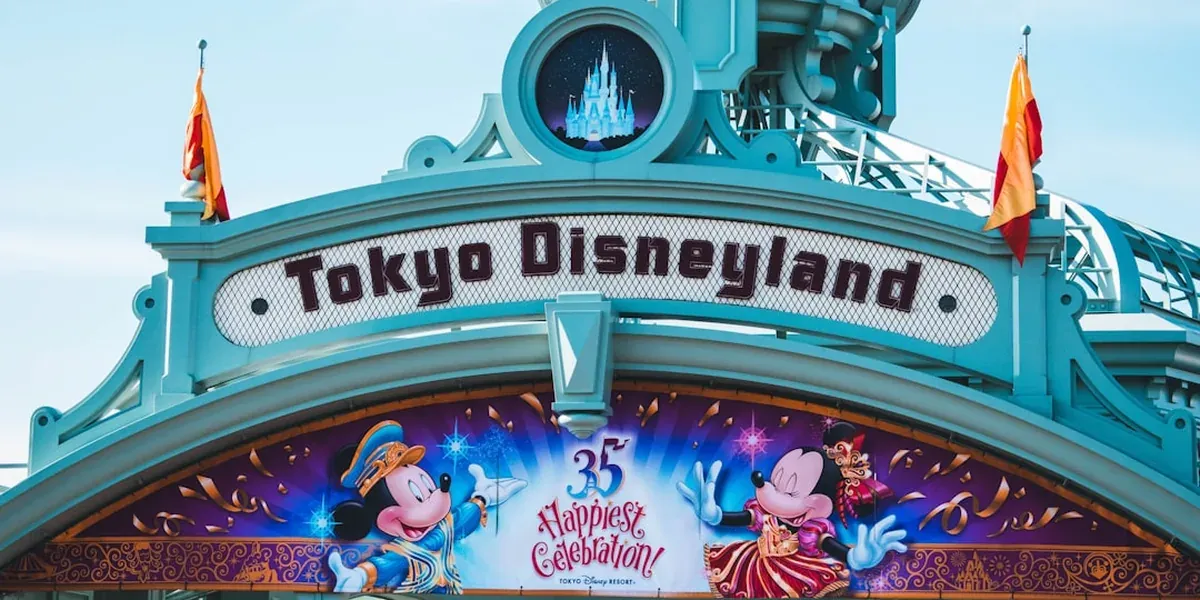
Cost: 1-day passport ¥7,900–10,500 depending on date. Under 4 free. Ages 4–11 child price ¥6,600–8,800.
Tokyo Disneyland vs. DisneySea:
- Tokyo Disneyland — the classic Magic Kingdom-style park. Better for ages 0–8.
- DisneySea — the unique Tokyo park, no equivalent anywhere else. Better for ages 8+, teens, and adults.
- The 2-day strategy — recommended if visiting both (¥14,000–18,000 per adult).
The reality: Tokyo Disney is comparable to US Disney in quality but with 30% lower crowds (especially weekdays). Most kid-friendly park in Japan.
Where to stay: Disney hotels are ¥25,000–80,000/night. The cheaper option: stay in Urayasu or Maihama (15 minutes by train, ¥4,000–8,000 hotels).
Getting there: JR Keiyo Line from Tokyo Station, 15 minutes, ¥220.
Universal Studios Japan (USJ) — Osaka
Cost: 1-day ticket ¥8,600–10,500 depending on date. Under 4 free. Ages 4–11 child price ¥5,600–7,800.
The standout: Super Nintendo World (opened 2021). The interactive Mario Kart ride, the Yoshi’s Adventure, the Toadstool Cafe.
Best for: Ages 6+, especially kids who love Mario, Harry Potter (the Wizarding World), or Jurassic Park.
Getting there: JR Yumesaki Line from Namba, 12 minutes, ¥190.
The reality: USJ is more popular with teens and adults than young kids. Tokyo Disney is the better pick for ages 0–8.
For the broader JR Pass question (does it cover Disney or USJ access?), the answer is no — both are on private lines. See the JR Pass 2026 worth it guide for the broader transit math.
Kid-Friendly Day Trips
The 6 best day trips for families:
| Day trip | From | Time | Cost | Why kids love it | Guide |
|---|---|---|---|---|---|
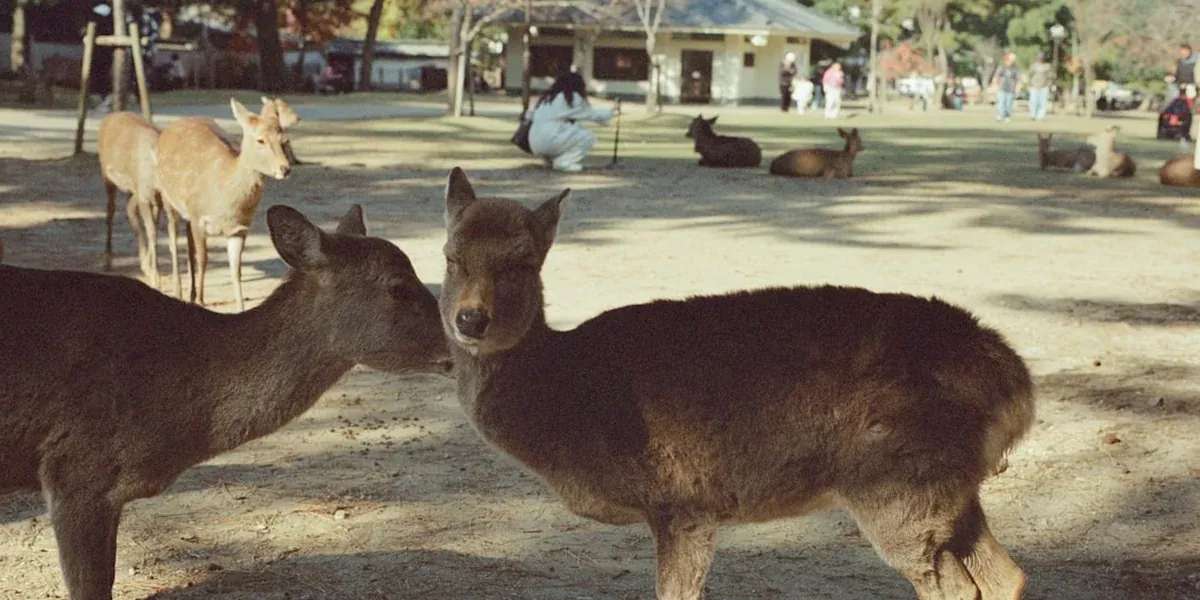
| Nara | Kyoto or Osaka | 45 min | ¥720 | 1,200 deer to feed (¥200 crackers), Todai-ji Great Buddha | Nara guide |
| Kamakura | Tokyo | 1h | ¥1,800 | The Great Buddha, beach, ¥200 kite flying | Kamakura guide |
| Hakone | Tokyo | 90 min | ¥3,200 | Ropeway, pirate ship cruise, Mt Fuji views, hot springs | Hakone guide |
| Mt Fuji 5th Station | Tokyo | 2.5h | ¥4,500 | ”Almost summit” view, no climbing needed | Mt Fuji guide |
| Yokohama | Tokyo | 30 min | ¥800 | Cup Noodles Museum (¥500), Chinatown, Cosmo World (¥700) | Tokyo day trips hub |
| Mt Takao | Tokyo | 50 min | ¥1,800 | Cable car, hiking (optional), monkey park | Hiking guide |
The Nara deer park is the universal #1 family experience in Japan. Kids can buy deer crackers (¥200) and feed 1,200+ friendly deer. The deer bow before eating (a documented behavior), which delights most kids.
The Yokohama Cup Noodles Museum is the #1 indoor rainy-day activity. Kids design their own cup, choose the ingredients, and watch it seal. ¥500 per cup. Open 10am–6pm.
For more kid-friendly outdoor options, see the hiking budget guide (the Tokyo day hikes are kid-friendly with adult help).
Getting Around with Kids
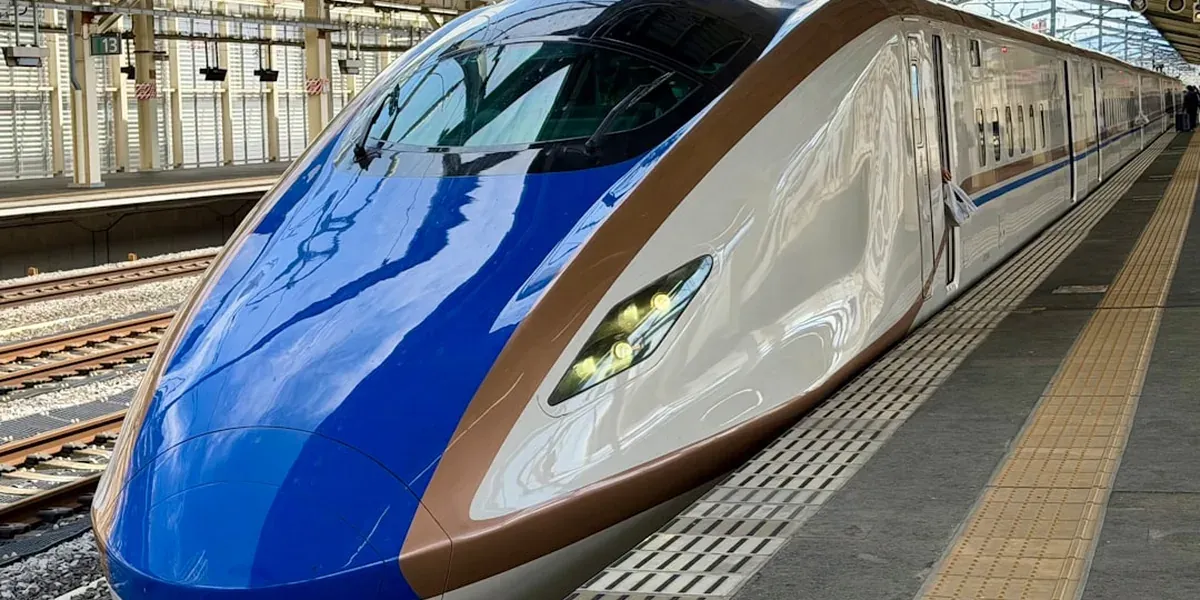
Japan’s transit is one of the best in the world for families. Three tools:
1. IC cards (Suica/ICOCA for kids) — kids under 6 ride free, ages 6–11 ride half-price with a child IC card. The card is free at JR ticket counters. See the IC card guide for the setup.
2. Stroller access — most Tokyo and Osaka stations have elevators (look for the “Elevator” sign in English). Avoid the rush hour (8am–10am, 5pm–7pm). The stroller culture in Japan is improving but still awkward. Many stations have step-free access.
3. Luggage forwarding — Yamato Transport (black cat logo) and Sagawa do hotel-to-hotel forwarding for ¥2,000–3,000 per bag. Standard for adults, essential for families with strollers + bags. Drop at the convenience store counter.
Family-Friendly Train Strategies
- Reserved seats on the Shinkansen — book the “Family Seat” section (4 seats together, ¥200 extra per ticket). See the Shinkansen booking guide for app-based reservations.
- Skip the rush hour — same as adults, but more important with kids
- Use the “Women & Children” car during rush hours (most Shinkansen lines have one)
- JR Pass for families — kids under 6 free, ages 6–11 half-price JR Pass. See the JR Pass 2026 worth it guide for the math.
For stroller rentals and other logistics, see the Japan travel apps guide.
Safety with Kids in Japan
Japan is the safest developed country in the world for family travel. The actual safety concerns:
The “be aware of” list:
-
Lost children. Japan has a “lost child” system at every train station. If a child is lost, station staff will find you within 10–20 minutes. The system is genuinely world-class. For older kids, teach them the JR station name + the hotel address in Japanese characters.
-
Crowded rush hour transit. Same as adults, but more important with kids. Avoid 8am–10am and 5pm–7pm.
-
Typhoons. Late August to early October. Most hotels have typhoon protocols. Check the JMA website (jma.go.jp).
-
Earthquakes. Japan has frequent small earthquakes. The major ones are rare. Most modern buildings survive 7+ magnitude. The phone emergency alert (Buzz) is real and works. Teach kids the basic safety rules: drop, cover, hold on.
-
Heat exhaustion. Summer is brutally hot and humid (35°C+). The biggest risk for kids. Hydrate constantly. See the packing list for heat gear.
-
Tattoos at onsen. Many onsen reject tattooed customers (including children with cultural tattoos). Tattoo-friendly options in the onsen budget guide.
-
Medical emergencies. Most pharmacies (ドラッグストア) have some English. For serious issues, see the travel insurance 2026 guide for medical coverage and English-speaking clinics.
The “don’t worry about” list:
- Violent crime — extremely rare
- Hate crime — extremely rare
- Terrorism — extremely rare
- Pickpocketing — extremely rare
- Food poisoning — extremely rare (food safety is world-class)
- Scams — almost nonexistent
For the solo traveler safety breakdown (which applies to families too), see the solo travel guide.
Packing for Kids
The standard Japan budget packing list covers adults. Add for kids:
- Stroller (if under 5) — bring a light, foldable one. Most Japan transit is stroller-friendly, but expect some stairs.
- Car seat — not required in taxis, but essential for private cars. Most rental companies include them.
- Comfortable walking shoes — kids walk more than expected (15,000–20,000 steps/day)
- Layers — kids get cold faster than adults
- Wet wipes — for sticky hands, post-meal, on the go
- Hand sanitizer — Japan is clean but kids touch everything
- Snacks — konbini snacks for emergencies, but Japan konbini is everywhere so over-packing is unnecessary
- Small backpack — for the kid to carry their own snacks, water, toy
- Reusable water bottle — free water refill at most train stations and konbini
- Sunscreen + hat — even in winter, the sun is strong
- Entertainment for transit — tablet with downloaded shows, books, coloring books
- Passport copies — carry copies separately
- Medical kit — child paracetamol, bandages, electrolyte powder, any prescription meds
For eSIM (essential for navigation), see the best eSIM Japan 2026 guide.
Seasonal Family Trips — Best Times
The 4 best seasons for family Japan trips:
| Season | Months | Pros | Cons |
|---|---|---|---|
| Spring (sakura) | Late March–early April | Cherry blossoms, mild weather (12–18°C), family events | Peak crowds, expensive, peak booking required |
| Summer (early) | Late May–early July | Festivals, beach season, long days | Hot (30°C+), humid, school holidays peak |
| Autumn | Late October–November | Mild weather, momiji foliage, fewer crowds than sakura | Rain in late October |
| Winter | December–February | Cheapest, snow activities (Hokkaido), illuminations | Cold (5–10°C), shorter days |
The school holiday problem: Japanese school holidays (late July–August, late December–early January, late March–early April) overlap with Western summer, Christmas, and Easter. Expect 30–50% higher prices during these windows.
For the full month-by-month breakdown, see the cheapest time to visit Japan guide.
Spring (Sakura) with Kids
Cherry blossom + family is one of the most-searched Japan trip combinations. The challenge: peak crowds and peak prices.
Best family-friendly sakura spots:
- Ueno Park (Tokyo) — the iconic park, kids love the festival atmosphere
- Osaka Mint Bureau — the “free, less crowded” alternative, kids love the open space
- Yoshino (Nara) — the mountain alternative, kids love the cable car
For the full sakura strategy, see the cherry blossom guide.
Autumn (Koyo) with Kids
The autumn alternative to sakura — fewer crowds, longer peak window (3 weeks vs 1 week), better temperatures for kids.
Best family-friendly koyo spots:
- Minoo Park (Osaka) — waterfall + maples, kids love the path
- Rikugien (Tokyo) — the most famous Tokyo koyo spot, stroller-friendly
- Arashiyama (Kyoto) — bamboo grove + maples
For the full koyo strategy, see the autumn foliage guide.
Daily Cost Breakdown (Family of 4, 2026)
| Category | Budget | Mid-range | Premium |
|---|---|---|---|
| Family hotel room | ¥10,000 | ¥15,000 | ¥35,000 |
| Breakfast (hotel included) | ¥0 | ¥2,500 | ¥5,000 |
| Breakfast (konbini) | ¥1,200 | — | — |
| Lunch (kid-friendly) | ¥2,500 | ¥5,000 | ¥8,000 |
| Dinner (family restaurant) | ¥4,000 | ¥8,000 | ¥18,000 |
| Transport (subway + day trip) | ¥3,500 | ¥6,000 | ¥12,000 |
| Activities (free sights) | ¥0 | ¥2,000 | — |
| Activities (paid attractions) | ¥3,000 | ¥8,000 | ¥20,000 |
| Theme park day | — | ¥30,000 | ¥40,000 |
| Drinks + snacks | ¥1,500 | ¥2,500 | ¥4,000 |
| Daily total | ¥25,700 | ¥79,000 | ¥142,000 |
| 7-day total | ¥179,900 | ¥553,000 | ¥994,000 |
| Per person | ¥5,000 | ¥19,750 | ¥35,500 |
The ultra-budget family trip: ¥180,000 = ~$1,200 USD. Family hotel + konbini breakfast + simple lunches + free sights + 2 day trips.
The mid-range family trip: ¥553,000 = ~$3,750 USD. Family hotel + restaurants + 2 day trips + 1 theme park day + paid attractions.
The premium family trip: ¥994,000 = ~$6,750 USD. Business hotels + ryokan night + restaurants + 3 day trips + 2 theme park days + all paid attractions.
For the broader cost reality, see the trip cost 2026 guide and the Japan budget guide.
The 7-Day Family Tokyo-Kyoto-Osaka Itinerary
This is the classic first-time family trip. Designed for ages 6–12, with one Disney/USJ day, manageable walking distances, and built-in rest time.
Day 1: Tokyo arrival + Asakusa (¥18,000 family total)
- Morning: Arrival, IC cards, hotel check-in
- Afternoon: Asakusa + Senso-ji (free) + Nakamise street (free)
- Evening: Konbini dinner + early bed (jet lag)
- Stay: APA Hotel Asakusa, ¥12,000
Day 2: Tokyo Disney (¥35,000 family)
- Full day: Tokyo Disneyland (or DisneySea for older kids)
- Disney has its own food (don’t try to leave for lunch)
- Evening: Return to hotel, collapse
- Stay: APA Hotel Asakusa, ¥12,000
Day 3: Tokyo free day — Ueno + Akihabara (¥15,000)
- Morning: Ueno Zoo (¥2,400 for family of 4) + Ueno Park
- Lunch: Ameyoko Market
- Afternoon: Akihabara (free to walk, anime shops, kids love the displays)
- Evening: Konbini dinner
- Stay: APA Hotel Asakusa, ¥12,000
Day 4: Day trip to Kamakura (¥20,000)
- Full day: Kamakura Great Buddha (¥400 family) + beach
- Lunch: Shirasu (whitebait) rice bowl, kid-friendly
- Evening: Return to Tokyo
- Stay: APA Hotel Asakusa, ¥12,000
Day 5: Tokyo to Kyoto via Shinkansen (¥30,000)
- Morning: Tokyo → Kyoto (Shinkansen, ¥22,000 family)
- Afternoon: Kyoto Station + Nishiki Market walk
- Evening: Family dinner in Kyoto (kaiseki with kid menu available)
- Stay: Hotel Granvia Kyoto, ¥18,000
Day 6: Kyoto temples + day trip to Nara (¥18,000)
- Morning: Fushimi Inari (free, kids love the torii gates)
- Afternoon: Train to Nara (¥2,880 family) → deer park + Todai-ji
- Evening: Return to Kyoto
- Stay: Hotel Granvia Kyoto, ¥18,000
Day 7: Kyoto to Osaka + Universal Studios Japan (¥45,000)
- Morning: Kyoto → Osaka (JR, ¥2,320 family)
- Full day: USJ (¥30,000 family tickets)
- Evening: Stay in Osaka for the next day
- Stay: Hotel Granvia Osaka, ¥20,000
7-day total: ¥181,000 ($1,200 USD)
This is “comfortable budget” — family hotel rooms, konbini breakfasts, 1 nicer dinner per day, 2 day trips, 1 Disney day, 1 USJ day, no ryokan. To bring it under ¥150,000, swap the USJ day for a free Osaka day. To bring it over ¥300,000, add a 1-night ryokan stay in Hakone.
For longer family itineraries, see the 10-day Japan budget itinerary and the 2-week Japan budget itinerary.
The 5-Day Family Tokyo-Only Itinerary (For First-Time Families)
A shorter option for families with limited time, focused on Tokyo:
Day 1: Tokyo arrival + Asakusa (¥18,000 family)
- Same as 7-day Day 1
Day 2: Tokyo Disney (¥35,000 family)
- Same as 7-day Day 2
Day 3: Tokyo free day — Ueno + Akihabara (¥15,000)
- Same as 7-day Day 3
Day 4: Day trip to Yokohama (¥18,000)
- Morning: Cup Noodles Museum (¥2,000 family)
- Lunch: Yokohama Chinatown (¥3,000 family)
- Afternoon: Cosmo World (¥2,800 family)
- Evening: Return to Tokyo
- Stay: APA Hotel, ¥12,000
Day 5: Departure + last-minute shopping (¥15,000 family)
- Morning: Tokyo Character Street (free, in Tokyo Station)
- Afternoon: Departure
5-day total: ¥100,000 ($670 USD)
FAQ
Is Japan good for kids?
Yes — one of the best in the world. The transit is designed for kids, the food accommodates picky eaters, the free attractions are universally enjoyable, and the country has the world’s most kid-friendly culture. Most families who visit Japan return within 2–3 years.
How much does a Japan family trip cost?
For a family of 4, plan ¥20,000–25,000/day for budget, or ¥120,000–175,000 for a 7-day trip. The mid-range is ¥550,000–700,000 for 7 days. Premium is ¥1M+ for 7 days with luxury ryokan and Disney for multiple days.
What’s the best age to take kids to Japan?
Age 6–12 is the sweet spot. Old enough to enjoy the culture, young enough to be amazed by the everyday (“the trains are so quiet!”). Ages 13–17 also work but teens need more flexibility. Ages 0–5 work but require more planning (strollers, nap schedules).
Is Tokyo Disney worth it?
Yes — comparable to US Disney in quality with 30% lower crowds (especially weekdays). The best park for ages 0–10. Super Nintendo World at USJ is the standout for ages 6+.
Is Universal Studios Japan worth it?
Yes for ages 6+, especially if your kid loves Mario, Harry Potter, or Jurassic Park. Super Nintendo World is the standout. The catch: more expensive than Tokyo Disney for similar ticket cost.
Can I do Japan with a stroller?
Yes — most stations have elevators, most attractions are stroller-accessible. The challenges: some older stations have stairs only, and rush hour is brutal with strollers. Bring a light, foldable stroller.
Are Japanese restaurants kid-friendly?
Mixed. Family restaurants (Gusto, Saizeriya, Royal Host) are very kid-friendly with high chairs and kid menus. Most izakaya and mid-range restaurants welcome kids but don’t have high chairs. Most fine dining (kaiseki, sushi omakase) doesn’t welcome young kids. For ramen, sushi conveyor, and fast food chains, kids are universally welcome.
Are there diaper-changing stations?
Yes — every train station, every department store, every major attraction, and most konbini have diaper-changing stations. The signage is usually in English.
Where can I buy baby formula / diapers?
Every drugstore (Matsumoto Kiyoshi, Sundrug) and every major konbini (7-Eleven, FamilyMart, Lawson). Japanese brands (Merries, Moony, GOO.N) are high quality. For Western brands, hit the larger drugstores in Tokyo (Don Quijote, Tokyu Hands).
Can I bring a car seat for my toddler?
You can bring one, but most Japan taxis don’t have car seats (legally required only for children under 6). For private cars, rental companies provide them on request. Most families with toddlers skip self-driving and use transit.
What if my kid gets sick in Japan?
Most pharmacies (ドラッグストア) have some English. For serious issues: see the travel insurance 2026 guide for medical coverage, and call the JNTO tourist hotline (050-3816-2787, 24/7) for English-speaking clinic recommendations.
Are there kid-friendly onsens?
Yes — most day-use onsen have family-friendly hours (often morning or late afternoon). Most ryokan onsen have private/family baths available by reservation. For the tattoo-friendly family options, see the onsen budget guide.
Is Japan safe for families?
Yes — one of the safest countries in the world for family travel. The actual concerns: lost children (the JR system has a world-class lost-and-found), rush-hour transit crowds, and typhoons (August-October). Violent crime is extremely rare. See the safety section above for the full breakdown.
Can I do Japan with kids in winter?
Yes — winter is the cheapest season. Hokkaido has snow activities. Tokyo/Osaka illuminations are free. The trade-off: shorter days and cold temperatures. See the cheapest time to visit Japan guide for the month-by-month breakdown.
Can I do Japan with a baby?
Yes — but it requires more planning. Bring a foldable stroller, plan for nap schedules, avoid rush-hour transit, book family rooms (not hostels), and skip the long Shinkansen rides. Most 0–5 itineraries are 2 cities max.
What about food allergies?
Japan is strict on food allergen labeling (8 mandatory allergens). Most restaurants can accommodate. For celiac disease, see the vegan budget guide — many of the same strategies apply.
Do kids ride the Shinkansen for free?
Kids under 6 ride free (no ticket needed). Ages 6–11 ride half-price with a child ticket. The JR Pass for kids is also half-price. See the JR Pass 2026 worth it guide for the math.
Can I do Mt Fuji with kids?
Yes — the 5th station (¥2,300 round-trip bus from Kawaguchiko) is accessible without climbing. Kids 5+ can do the lower hiking trails with adults. The Fuji huts accept kids 8+. See the Mt Fuji day trip guide for the full breakdown.
Can I see cherry blossom with kids?
Yes — and it’s one of the most memorable family experiences. The crowds are the challenge. Avoid peak times (early morning is best). See the cherry blossom guide for the family strategy.
Can I see autumn foliage with kids?
Yes — and autumn is more family-friendly than cherry blossom (longer window, fewer crowds, better temperatures). See the autumn foliage guide for the family strategy.
Do I need a JR Pass for a family trip?
Depends on the itinerary. For a Tokyo-only or Osaka-only trip, no. For Tokyo-Kyoto-Osaka or Tokyo-Hiroshima round-trip, yes — and the JR Pass is even better value for families because kids 6–11 are half-price. See the JR Pass 2026 worth it guide for the math.
Are there kid-friendly neighborhoods in Tokyo?
Yes — Asakusa (traditional + accessible), Ueno (museums + zoo + park), Shimokitazawa (indie, slower pace), and Ikebukuro (Sunshine City + Pokémon Center). For the full breakdown, see the Tokyo neighborhoods guide.
Should I stay in Tokyo or Kyoto for the first trip?
For families with 7+ days: both (Tokyo 4 nights + Kyoto 3 nights). For families with 3–5 days: Tokyo (more variety, more kid-friendly attractions). For repeat visitors: Kyoto for the cultural experience. For the broader comparison, see the Tokyo neighborhoods guide and the Tokyo budget guide.
What’s the one must-do family experience?
Nara deer park. Kids feed 1,200+ friendly deer with ¥200 crackers. The deer bow before eating. Toddlers through teens love it equally. See the Nara day trip guide for the full breakdown.
What if I want to go off the beaten path with kids?
Consider Hokkaido (Sapporo Snow Festival in February, lavender fields in July), Okinawa (beaches, swimming, Churaumi Aquarium), or the Japanese Alps (Kamikochi, family-friendly ryokan). For the broader off-beaten-path options, see the hiking budget guide.
Plan Your Family Japan Trip — The 5-Step Recap
The 5-step recap for first-time families:
- Stay in family hotel rooms (Toyoko Inn, APA, Dormy Inn) — ¥10,000–15,000/night, sleeps 4, free breakfast for kids under 12 at Toyoko Inn. See the hotel booking guide.
- Use an IC card for each family member — kids under 6 free, ages 6–11 child IC cards are half-price. See the IC card guide.
- Build the trip around 1 Disney or USJ day — Tokyo Disney for ages 0–8, USJ for ages 6+. Don’t try to do both in one trip.
- Take 1 day trip per city — Nara from Kyoto/Osaka, Kamakura or Hakone from Tokyo, Mt Takao for hiking. See the Nara day trip guide.
- Travel in shoulder season (April–May, October–November) — fewer crowds, milder weather, cheaper than sakura peak. See the cheapest time to visit Japan guide.
For the rest of the trip — accommodation, transport, food, packing, insurance, and how to keep the 7-day family total under ¥200,000 — see the Tokyo budget guide, the Osaka budget guide, the Tokyo neighborhoods guide, the hotel booking guide, the budget accommodation guide, the onsen budget guide, the convenience store food guide, the vegan budget guide, the Kyoto to Osaka street food guide, the Tokyo to Kyoto guide, the JR Pass 2026 worth it guide, the Tokyo day trips hub, the Nara day trip guide, the Kamakura day trip guide, the Hakone day trip guide, the Mt Fuji day trip guide, the cherry blossom guide, the autumn foliage guide, the hiking budget guide, the solo travel guide, the travel apps guide, the eSIM guide, the money in Japan guide, the travel insurance guide, the trip cost 2026 guide, the budget mistakes guide, the packing list, the free things to do in Tokyo, the free things to do in Kyoto, the free things to do in Osaka, the 10-day Japan itinerary, the 2-week Japan itinerary, the cheapest time to visit Japan guide, and the Japan budget guide.