Japan Autumn Foliage 2026 Budget Guide: When, Where & How to See Koyo Without Peak Prices
A 2026 budget guide to Japan autumn foliage (koyo) — forecast timing for Tokyo, Kyoto, Osaka, day trips for peak maple viewing, free spots, where autumn beats cherry blossom, booking strategy, packing, and a 10-day autumn itinerary.
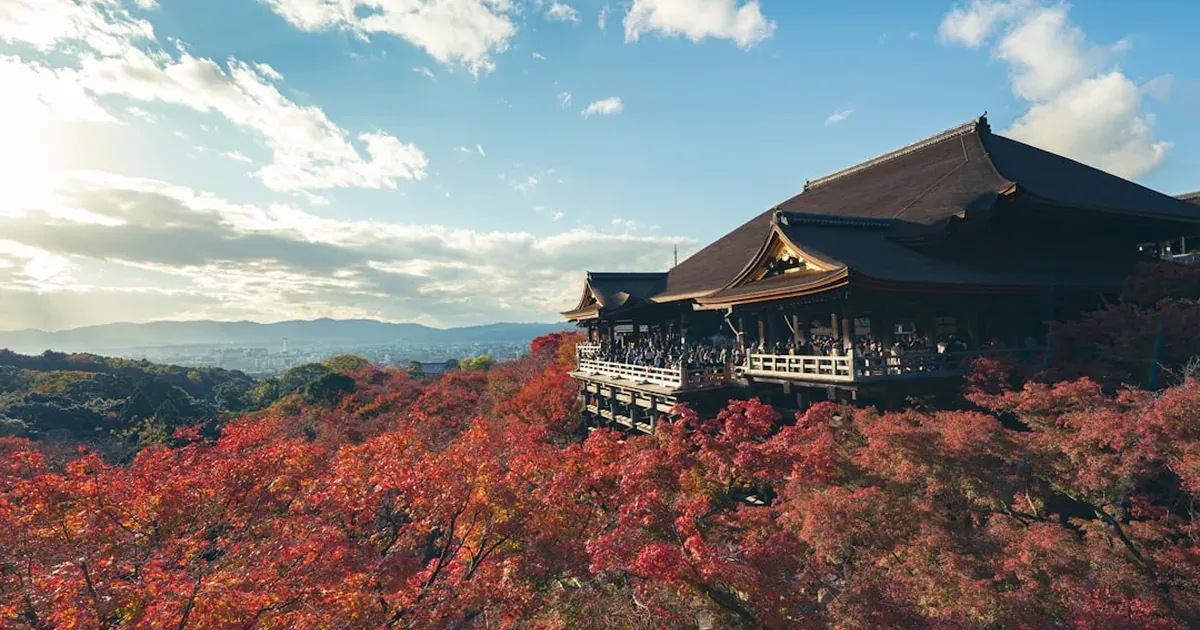
The short answer: Japan autumn foliage (koyo) starts in Hokkaido in mid-September, hits Tokyo/Kyoto/Osaka from mid-November to early December, and runs through mid-December in Kyushu. The peak in Tokyo and Kyoto is the last 2 weeks of November. Book accommodation 4–6 months ahead for peak koyo, expect to pay 20–40% more than off-season, and plan your day around the most famous temples — Rikugien (Tokyo), Tofuku-ji (Kyoto), and Osaka Castle (Osaka) — all hit 2–4 hour queues in the last week of November. Most koyo is free or under ¥1,000, the experience is identical regardless of budget, and autumn beats cherry blossom for crowd-light viewing.
Koyo (紅葉, “red leaves”) and momiji (紅葉, the specific word for maple) are the second-most-visited season in Japan after cherry blossom. About 60% of foreign visitors in autumn travel during the 6-week koyo window. The trade-off: accommodation prices spike 20–40%, the most famous temples get 2–4 hour queues, and you need to book 4–6 months in advance. The upside: the viewing spots are mostly free, the experience is identical for every traveler regardless of budget, the peak window is 3 weeks (vs 1 week for cherry blossom), and the autumn weather is more comfortable than the spring rain or summer humidity.
This guide covers the 2026 koyo forecast by region, free spots in Tokyo/Kyoto/Osaka, day trips that beat the city crowds, the booking strategy that saves the most, where autumn beats cherry blossom, and a 10-day autumn itinerary under ¥90,000.
The 2026 Koyo Forecast — When to Plan
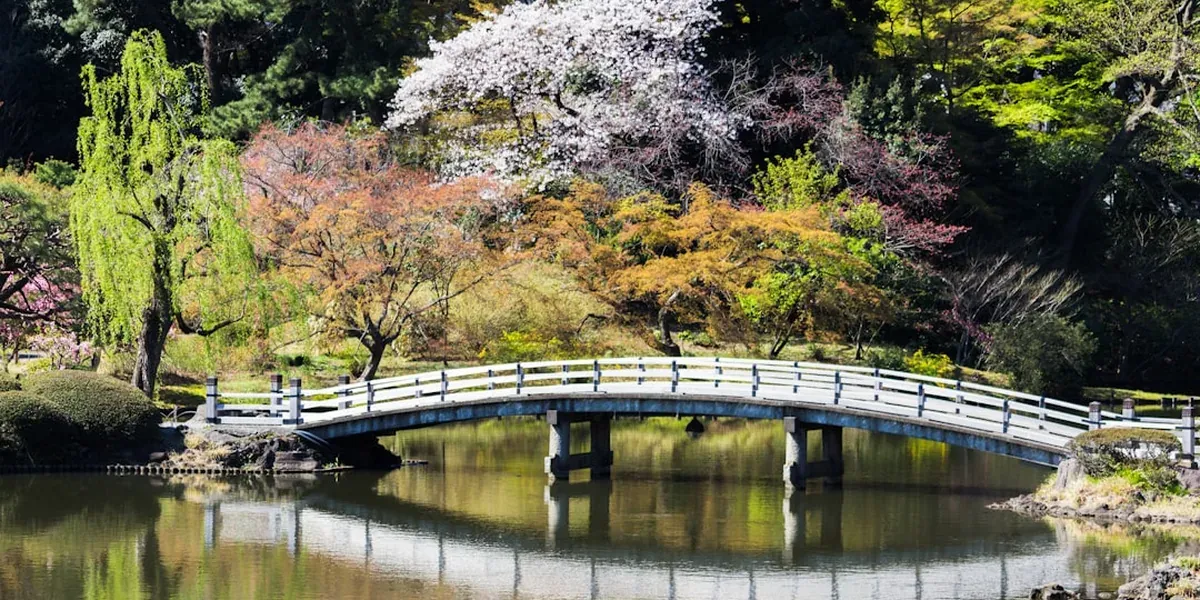
The 2026 koyo forecast follows historical averages — the official 2026 forecast is released by JMC (Japan Meteorological Corporation) in September 2026. Until then, the historical averages below are the planning baseline. The “peak” (mankai, 満開) is the 7–10 day window when most leaves are at full color, and the viewing window typically extends 14–21 days after that.
Historical koyo dates (2000–2024 average):
| Region | Peak start | Peak end | Leaf longevity | Notes |
|---|---|---|---|---|
| Hokkaido (Sapporo, Daisetsuzan) | Sep 20 | Oct 10 | 3 weeks | Earliest, coldest, most dramatic |
| Tohoku (Nikko, Sendai, Lake Towada) | Oct 15 | Nov 5 | 3 weeks | Mountains hit first |
| Tokyo | Nov 15 | Dec 5 | 3 weeks | Late, warm autumn extends viewing |
| Kyoto | Nov 20 | Dec 10 | 3 weeks | Latest peak in Honshu |
| Osaka | Nov 20 | Dec 5 | 3 weeks | Matches Kyoto |
| Hiroshima / Miyajima | Nov 10 | Nov 30 | 3 weeks | Earlier than Kyoto |
| Hakone | Nov 10 | Nov 30 | 3 weeks | Mountain elevation = earlier |
| Kamakura | Nov 25 | Dec 10 | 3 weeks | Coastal, slightly later |
| Kawaguchiko (Mt Fuji) | Oct 25 | Nov 15 | 3 weeks | High elevation = much earlier |
| Kyushu (Fukuoka, Beppu) | Nov 25 | Dec 15 | 4 weeks | Latest, longest window |
The key insight: The viewing window is 3 weeks (vs 1 week for cherry blossom). You have 2–3x more flexibility on dates than cherry blossom travelers.
The Kyoto vs. Tokyo timing: Kyoto typically peaks 5–7 days AFTER Tokyo. A 7-day itinerary starting in Tokyo on November 15 will see Tokyo peak, then Kyoto peak on November 22. A 10-day itinerary starting November 18 catches both.
The Hokkaido vs. Honshu timing: Hokkaido peaks in late September / early October — 6 weeks earlier than Tokyo/Kyoto. If you want to see autumn colors AND the Tokyo/Kyoto season, plan two trips. If you want one trip, late November is the sweet spot.
For how peak season affects prices, see the cheapest time to visit Japan guide — November is flagged as the second-most-expensive month after cherry blossom.
The 5 Categories of Koyo Viewing
Not all koyo is the same. Five distinct types of viewing have different costs, crowds, and timing:
1. Temple viewing (寺, tera). The most iconic koyo experience — wooden temples, maple gardens, paper lanterns at dusk. Most charge ¥500–1,500. The crowds at the most famous (Tofuku-ji, Kiyomizu-dera, Eikan-do) hit 2–4 hour queues in the last 2 weeks of November.
2. Japanese garden viewing (庭園, teien). Designed landscapes with maples, ponds, and tea houses. The most beautiful in autumn — Rikugien, Shinjuku Gyoen, Kenroku-en (Kanazawa), Koraku-en (Okayama). Most charge ¥300–500.
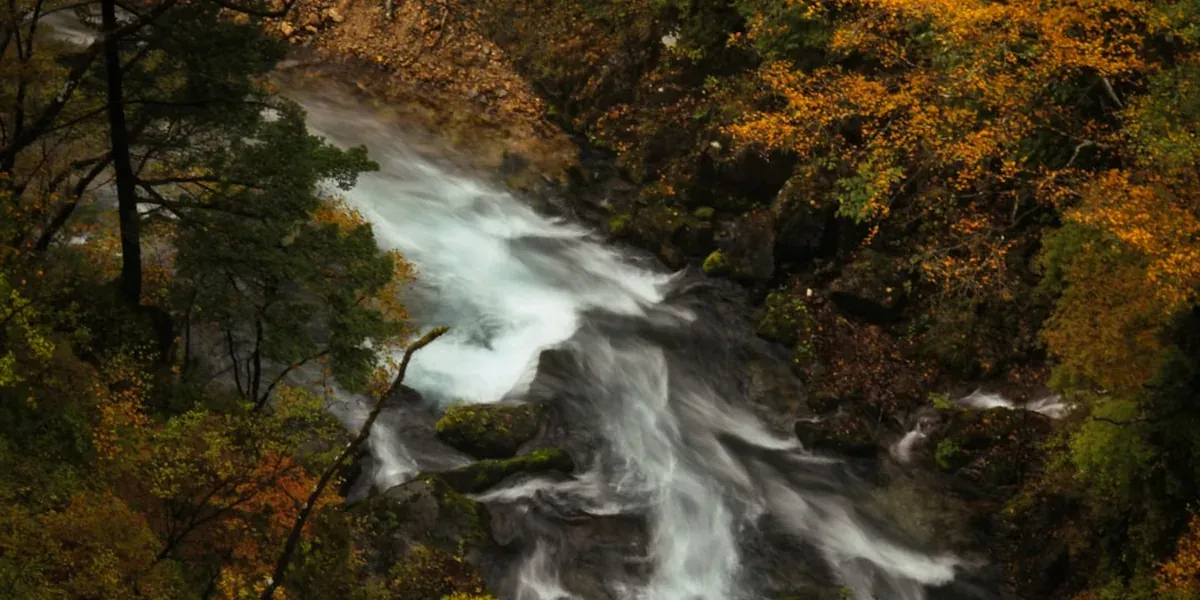
3. Mountain and gorge viewing (渓谷, keikoku). The dramatic ones — Nikko’s Kegon Falls, Hakone’s Owakudani, Kyoto’s Arashiyama, Tohoku’s Hachimantai. Most are free or under ¥500. The challenge: getting there requires transport, and the popular ones are crowded on weekends.
4. Lakeside viewing (湖, mizuumi). Maples reflecting in lakes — Kawaguchiko, Lake Towada, Lake Ashi (Hakone). Most are free to walk around, ¥200–500 for specific viewpoints. The morning light is essential.
5. Temple/garden illumination (ライトアップ, raitoappu). The night koyo experience — temples lit up after sunset with maples glowing under colored lights. Most famous: Kiyomizu-dera, Tofuku-ji, Eikan-do, Rikugien. Most charge ¥500–1,500, queues hit 1–2 hours in peak.
For the night illumination strategy, see the Tokyo free things guide for free illumination spots and the cherry blossom guide for the spring parallel.
Tokyo Koyo Spots — Free and Under ¥500
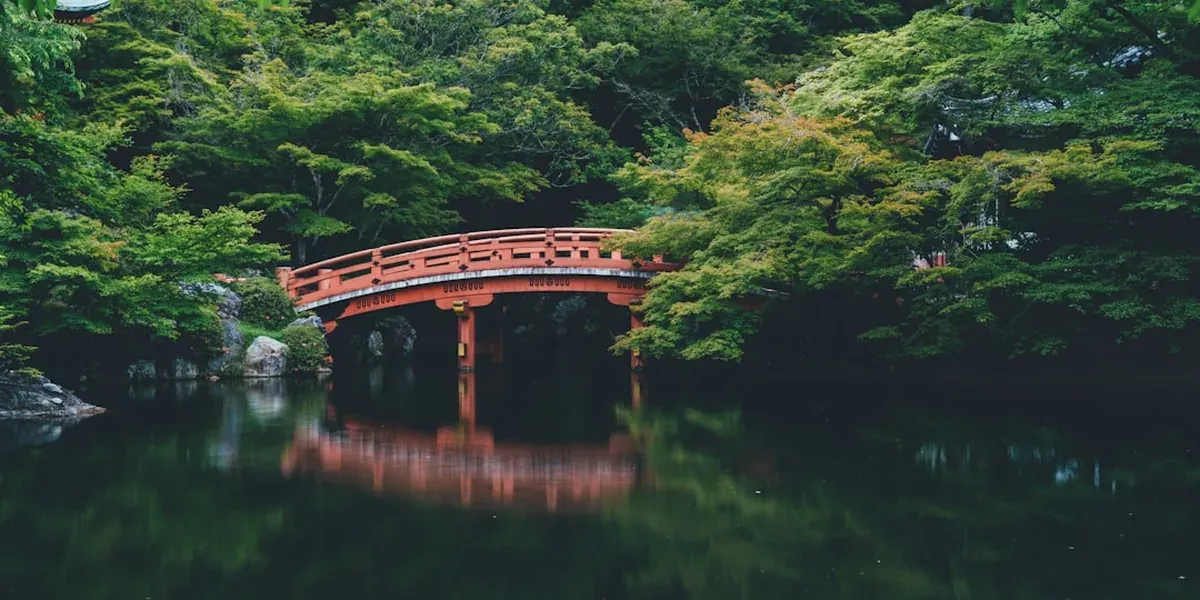
Tokyo has 8 free or under-¥500 koyo spots that match or beat the famous Kyoto temples:
Free koyo in Tokyo:
| Spot | Location | Best for | Cost |
|---|---|---|---|
| Meiji Jingu Gaien (ginkgo avenue) | Near Aoyama-Itchome | 146 ginkgo trees, golden tunnel | Free |
| Ueno Park | Ueno | Multiple maple groves, lake | Free |
| Shinjuku Gyoen outer garden | Near Shinjuku | Outer garden is free, inner is ¥500 | Free / ¥500 |
| Yoyogi Park | Near Harajuku | Maple grove near the entrance | Free |
| Imperial Palace East Gardens | Near Tokyo Station | Maple trees, less crowded | Free |
| Hibiya Park | Near Yurakucho | Maple + ginkgo, business district setting | Free |
| Sumida River walk | Near Asakusa | Maples along the riverbank | Free |
| Chidorigafuchi moat | Near Imperial Palace | Maples + castle backdrop, boat rides | Free |
Under ¥500 — the “almost free” tier:
| Spot | Cost | Why it’s worth it |
|---|---|---|
| Rikugien (most famous) | ¥300 | The “koyo masterclass” garden — 400 maple trees, illumination |
| Koishikawa Korakuen | ¥300 | Traditional garden near Tokyo Dome, less crowded than Rikugien |
| Kyu-Shiba-rikyu Gardens | ¥150 | Oldest Edo-era garden in Tokyo, 5 min from Hamamatsucho |
| Hotel New Otani’s Japanese garden | Free (from outside) | The garden viewed from the public walkway is excellent |
Rikugien is the single best Tokyo koyo spot. The illumination (mid-November to early December, sunset to 21:00) is the most photographed koyo scene in Tokyo. The queue hits 1–2 hours on weekends in peak. The fix: go on a weekday, arrive before sunset (16:00), and use the time before dark to walk the rest of the garden.
For the full Tokyo autumn strategy, see the Tokyo budget guide and the Tokyo free things guide.
Kyoto Koyo Spots — The Momiji Capital
Kyoto is the spiritual and visual capital of koyo. More maple varieties, more temple gardens, and more night illumination events than any other city. The trade-off: the crowds.
Free koyo in Kyoto:
| Spot | Location | Best for | Cost |
|---|---|---|---|
| Arashiyama (bamboo grove + maples) | Western Kyoto | Maples along the Hozu River, free walking | Free |
| Philosopher’s Path (Tetsugaku-no-michi) | Northern Higashiyama | Canal-side maple walk, 2 km | Free |
| Kinkaku-ji area walking | Northern Kyoto | Riverside maples around the Golden Pavilion | Free |
| Yasaka Shrine to Maruyama Park | Eastern Kyoto | Maple grove near Maruyama Park | Free |
| Kiyomizu-dera approach | Eastern Kyoto | Maples lining the walk to Kiyomizu | Free |
Under ¥1,500 — the temple tier:
| Spot | Cost | Why it’s worth it |
|---|---|---|
| Tofuku-ji | ¥1,000 | The Tsutenkyo bridge over a sea of maples — the iconic image. Plus the Kaiseki-do ceiling (paintings of paradise). Crowds are extreme in peak. |
| Kiyomizu-dera | ¥500 | The wooden stage with maple trees below. Night illumination (¥400 extra) is the most famous koyo scene. |
| Eikan-do | ¥1,000 | 3,000 maple trees, the most diverse maple collection in Kyoto. The “michibune no kaika” (path through maples) is iconic. |
| Nanzen-ji | ¥600 | The aqueduct + maple combo. The Sanmon gate view is iconic. |
| Kozan-ji | ¥1,000 | UNESCO temple, less crowded than Tofuku-ji, deep maple forest. |
| Shoren-in | ¥1,000 | Hidden gem, near Heian Shrine, less crowded. |
| Komyo-ji | ¥1,000 | Massive maple forest, rarely crowded. |
| Manshu-in | ¥1,000 | Mountain temple, maple forest, less than 1 km from Kyoto Station. |
The Kyoto night illumination pass: Many temples have night illumination in peak (mid-November to early December). The combined “Kyoto Night Tour” tickets cost ¥2,500–4,000 for 3–4 temples. Most individual illuminations are ¥500–1,500.
For the broader Kyoto food strategy, see the Kyoto to Osaka street food guide and the free things in Kyoto guide.
Osaka Koyo Spots — Underrated and Closer
Osaka koyo gets less attention than Kyoto but is genuinely excellent. The famous spots are less crowded, easier to reach, and the food is significantly better.
The top 4 Osaka koyo spots:
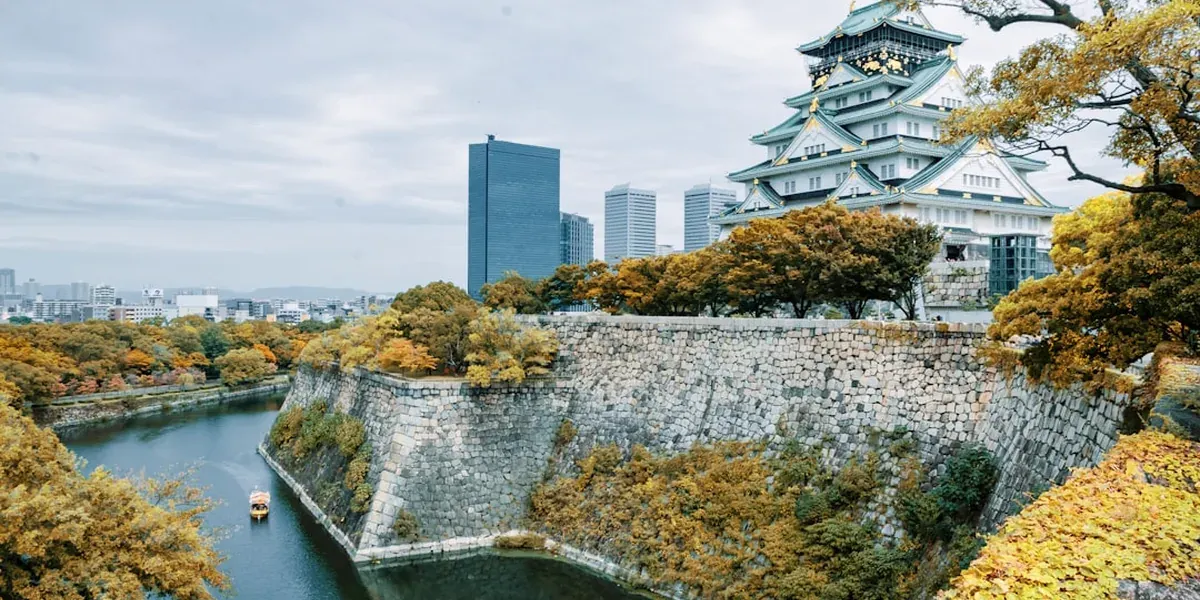
1. Osaka Castle Park — ¥600 (castle interior), free (outer park)
- 600 maple trees, illumination on weekends
- Easier than Kyoto temples, less crowded
- The view from the castle tower with maples below is iconic
2. Minoo Park — Free, ¥270 one-way train
- 1-hour train from central Osaka
- Maple-lined walking path along the Minoo River
- Famous Minoo Falls with maples in foreground
- Best for: half-day trip, food stalls along the way
3. Katsuo-ji Temple — ¥400
- “The temple of the winner” (lucky charm for athletes)
- 5,000 daruma dolls + massive maple forest
- Less than 30 minutes from central Osaka
- Rarely crowded even in peak
4. Daisen Park (Sakai) — Free
- Massive park, ancient kofun (burial mound) tombs
- Maple forest around the tombs
- Off-the-tourist-trail
For the full Osaka food strategy, see the free things in Osaka guide and the Kyoto-Osaka street food guide.
Day Trips for Koyo — Where Autumn Goes Beyond the Cities
The city koyo is crowded but the day trip koyo is unbeatable. Six day trips within 1–3 hours of Tokyo are the autumn sweet spot:
| Day trip | From | Peak | Transport cost | Maple rating | Why it’s worth it |
|---|---|---|---|---|---|
| Nikko | Tokyo (2h) | Oct 25–Nov 15 | ¥2,800 | ★★★★★ | Kegon Falls + UNESCO temples + maple forest, see the Tokyo day trips hub |
| Hakone | Tokyo (90 min) | Nov 10–30 | ¥3,200 | ★★★★ | Mt Fuji views + onsen + maple forest, see the Hakone budget guide |
| Kamakura | Tokyo (1h) | Nov 25–Dec 10 | ¥1,800 | ★★★★ | Great Buddha + temples + maple, see the Kamakura budget guide |
| Kawaguchiko | Tokyo (2.5h) | Oct 25–Nov 15 | ¥4,500 | ★★★★★ | Mt Fuji + lake + maple, see the Mt Fuji day trip guide |
| Mt Takao | Tokyo (50 min) | Nov 1–20 | ¥1,800 | ★★★ | Beginner hike + cable car + onsen, see the hiking guide |
| Nara | Osaka/Kyoto (45 min) | Nov 15–Dec 5 | ¥720 | ★★★ | Deer park + Todai-ji + maple, see the Nara budget guide |
The Nikko koyo experience is the best day trip of the autumn season. Kegon Falls with maples is the most dramatic single koyo scene within 2 hours of Tokyo. The Irohazaka road (winding mountain road to Lake Chuzenji) has 48 hairpin turns with maples on both sides. The cost: ¥2,800 train + ¥1,700 Nikko All-Area Pass = ¥4,500 round-trip.
The Hakone koyo experience combines maples + onsen. Hakone’s onsen ryokan are the best value in autumn — the maple-viewing ryokan (like Hakone Ginyu) are ¥15,000–25,000/night with meals, cheaper than equivalent Tokyo hotels. See the onsen budget guide for the full ryokan list.
The Kawaguchiko koyo experience is the most photogenic. Mt Fuji + red maple + lake reflection is the single most Instagrammed koyo shot in Japan. The challenge: peak crowds on weekends, and the last buses back to Tokyo leave at 18:00.
For more day trip options, see the Tokyo day trips hub and the hiking budget guide.
Where Autumn Beats Cherry Blossom (And Where It Doesn’t)
Autumn beats cherry blossom in 6 specific ways:
1. Longer peak window. Cherry blossom peaks for 7–10 days. Autumn peaks for 14–21 days. You have 2–3x more flexibility on dates.
2. More viewing locations. Cherry blossom is concentrated in major parks and rivers. Autumn is everywhere — street trees, residential neighborhoods, suburban temples, mountain trails.
3. Lower entry fees. Most famous cherry blossom spots charge ¥500–1,000 (Ueno Park is free but the surrounding temples charge). Most famous autumn spots are free (Rikugien ¥300, Shinjuku Gyoen ¥500) or under ¥1,000.
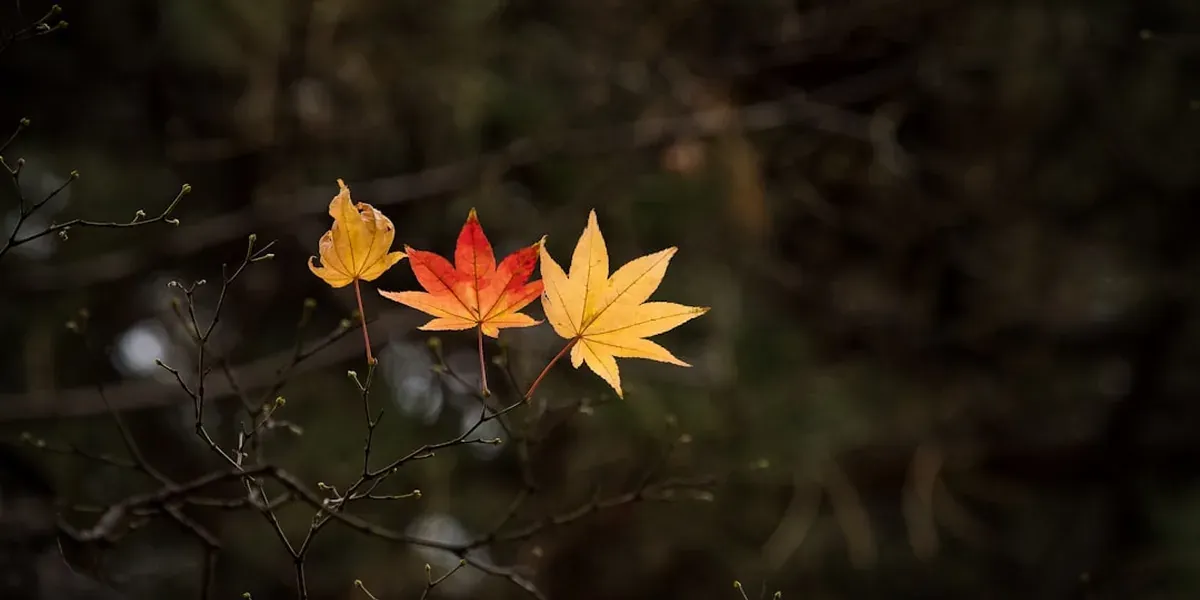
4. More variety. Cherry blossom is one color (pink/white). Autumn is red, orange, yellow, gold, and brown. Each garden has a different mix.
5. Night illumination is more accessible. Cherry blossom illumination is rare and expensive. Autumn illumination is at 30+ temples and gardens, mostly ¥500–1,500.
6. Better photography. Cherry blossom wind knocks petals off quickly. Autumn maples hold for 3 weeks.
Where autumn doesn’t beat cherry blossom:
1. The “iconic image” is weaker. Cherry blossom + Mt Fuji + castle is the single most iconic Japan image. No autumn scene has the same cultural recognition.
2. The food is less iconic. Cherry blossom has sakura mochi, sakura latte, sakura everything. Autumn has momiji tempura (deep-fried maple leaves) and kuri (chestnut) — good, but less universal.
3. Weather is more variable. Cherry blossom happens in April (stable, mild). Autumn happens in November (cold fronts, early snow in some areas, rain in others).
4. The day is shorter. Sunset is 16:30 in late November vs 18:30 in early April. Less daylight = less koyo time.
For the full cherry blossom comparison, see the cherry blossom guide.
The Booking Strategy — How to Pay Peak Prices Without Going Broke
Peak autumn in Tokyo/Kyoto is November 15 to December 5. Accommodation prices spike 20–40% over off-season. Here’s how to manage:
Booking window: Book 4–6 months ahead for the peak dates (mid-November). August is when the cheapest hotels sell out for the November peak. By September, only the expensive ones remain.
Where to compromise: Stay in Asakusa (cheaper than central Kyoto) and day-trip to Kyoto via Shinkansen (covered in the Tokyo to Kyoto guide). The trade-off: 2.5 hours of transit per day vs ¥3,000–5,000/night extra in Kyoto.
Where NOT to compromise: Don’t stay in a capsule hotel for 7+ nights during koyo. The capsule-only experience is exhausting. A hostel dorm or budget ryokan is the right call.
The JR Pass timing: A 7-day JR Pass (¥50,000) covers Tokyo-Kyoto round-trip + local transit. Break-even is 2 long-distance Shinkansen trips. For a 7-day Tokyo-Kyoto itinerary in peak autumn, the JR Pass pays off. See the JR Pass 2026 worth it guide for the full math.
The ryokan deal in autumn: Some ryokan offer autumn-only deals — the koyo view ryokan in Hakone, Arashiyama, and Kofu. The premium is ¥5,000–10,000/night over equivalent Tokyo hotels, but the experience is the koyo highlight of the trip. See the onsen budget guide for the best ryokan options.
Hotel booking platforms: Booking.com has the best cancellation policy for late booking. Hotels.com and Expedia have slightly cheaper rates but worse cancellation. See the hotel booking guide for the full comparison.
For the broader budget strategy during peak season, see the cheapest time to visit Japan guide.
Cost Breakdown — Koyo Season by the Numbers
| Category | Budget | Mid-range | Premium |
|---|---|---|---|
| Hostel dorm | ¥3,200 | — | — |
| Capsule hotel | — | ¥4,500 | — |
| Business hotel | — | — | ¥9,000 |
| Ryokan (with dinner) | — | ¥15,000 | ¥30,000 |
| Breakfast (konbini) | ¥400 | — | — |
| Breakfast (hotel/café) | — | ¥1,200 | ¥2,500 |
| Lunch (ramen/konbini) | ¥800 | ¥1,500 | ¥2,500 |
| Dinner (izakaya) | ¥1,500 | ¥3,000 | ¥5,500 |
| Koyo entry fees | ¥500 | ¥1,500 | ¥3,000 |
| Transport (subway + day trip) | ¥1,500 | ¥3,000 | ¥4,500 |
| Activities (illumination, museums) | ¥500 | ¥1,500 | ¥3,000 |
| Daily total | ¥8,400 | ¥16,200 | ¥58,000 |
| 10-day total | ¥84,000 | ¥162,000 | ¥580,000 |
The budget 10-day autumn trip: ¥84,000 = ~$570 USD. Hostels + konbini + free koyo spots + 1 day trip + 1 illumination visit.
The mid-range 10-day autumn trip: ¥162,000 = ~$1,100 USD. Capsule hotels + restaurants + 2 day trips + paid illuminations.
The premium 10-day autumn trip: ¥580,000 = ~$3,950 USD. Business hotels + ryokan nights + restaurants + 3 day trips + all illuminations.
For the full Japan cost reality, see the trip cost 2026 guide and the Japan budget guide.
What to Pack for Koyo Weather
November is colder and wetter than the cherry blossom season. Pack for:
- Lightweight down jacket — essential. Evenings drop to 5–10°C in Tokyo, near freezing in Kyoto and Nikko.
- Waterproof outer shell — November rain is common, especially in Kyoto. A packable rain jacket saves the day.
- Compact umbrella — backup for heavy rain. The ¥500 convenience store umbrella is fine.
- Waterproof shoes — autumn trails are wet. Sneakers that can handle mud and water.
- Layers — daytime is 12–18°C, evenings drop fast. A fleece + light jacket lets you adjust.
- Gloves and a warm hat — for mountain day trips (Nikko, Hakone, Kawaguchiko)
- Warm daypack — for the day trips. The hiking gear recommendations in the hiking budget guide cover this.
- IC card holder — keep the Suica/Pasmo dry. See the IC card guide.
For the full packing list, see the Japan budget packing list. For eSIM (essential for navigation on day trips), see the best eSIM Japan 2026 guide.
The Night Illumination Strategy
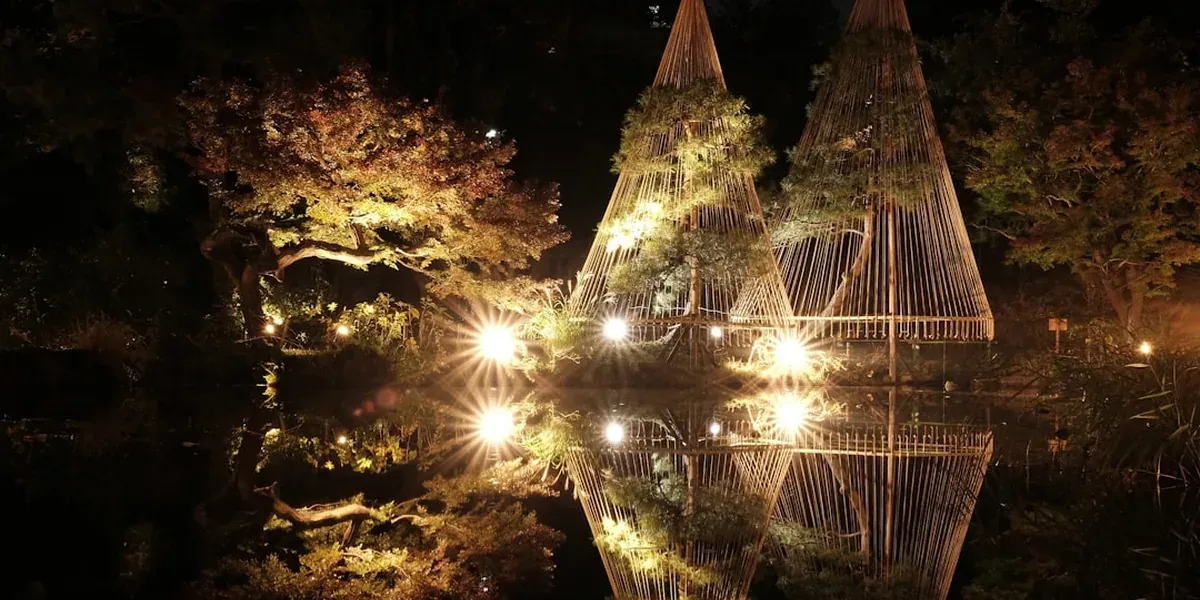
Night illumination is the most photogenic koyo experience but the most logistically difficult. Here’s how to do it without wasting 4 hours in queues:
The 6 famous illuminations worth queuing for:
| Spot | Cost | Hours | Why |
|---|---|---|---|
| Rikugien (Tokyo) | ¥300 | 17:00–21:00 | The single best Tokyo illumination |
| Kiyomizu-dera (Kyoto) | ¥500 (¥400 extra for night) | 18:00–21:00 | The wooden stage + maple forest lit up |
| Tofuku-ji (Kyoto) | ¥1,000 | 17:00–20:30 | The Tsutenkyo bridge over a sea of maples |
| Eikan-do (Kyoto) | ¥1,000 | 17:30–21:00 | The path through maples |
| Koraku-en (Okayama) | ¥410 | Sunset–21:00 | The “Autumn Light-up” event, late October to mid-November |
| Kenroku-en (Kanazawa) | ¥310 | Sunset–20:30 | One of Japan’s three great gardens |
The 4 “free” illuminations:
| Spot | Cost | Notes |
|---|---|---|
| Meiji Jingu Gaien ginkgo avenue | Free | The 146 ginkgos lit up, late November to early December |
| Maruyama Park (Kyoto) | Free | Maple trees lit up, near Yasaka Shrine |
| Osaka Castle Park | Free | Maple illumination on weekends |
| Roppongi Keyakizaka Street | Free | Zelkova trees lit up year-round, but November is the peak |
The queue strategy: Weekday evenings are 1/4 the queue of weekends. Arrive 30 minutes before the official opening time. The “queue time” disappears once you’re inside.
The night transit warning: Tokyo trains stop at 00:30, Kyoto buses stop at 21:30. The 21:00 illumination close means you’re out by 21:30 — exactly the last-train window. Miss the last train, and a taxi is ¥3,000–8,000. For more on transit, see the Tokyo day trips hub and the travel apps guide.
FAQ
When is peak autumn foliage in Tokyo 2026?
The historical peak is November 20 to December 5. The 2026 official forecast will be released in September 2026. Plan for the last week of November as the most crowded.
When is peak autumn foliage in Kyoto 2026?
November 25 to December 10. Kyoto peaks 5–7 days AFTER Tokyo. The last week of November and first week of December are the peak.
Should I visit Tokyo or Kyoto for autumn foliage?
Both. The 7-day itinerary starting in Tokyo November 15 hits Tokyo peak (Nov 20), Kyoto peak (Nov 25), and the day trip peaks (Hakone Nov 10–30, Nikko Oct 25–Nov 15). See the Tokyo to Kyoto guide for transit planning.
How much does koyo cost?
Most koyo is free (Yoyogi Park, Arashiyama, Meiji Jingu Gaien, Maruyama Park, Osaka Castle Park). The famous temples charge ¥500–1,500. The night illuminations charge ¥300–1,500. The total koyo viewing budget for a 10-day trip is ¥3,000–8,000.
Is koyo season more expensive than cherry blossom?
Yes. November peak is 20–40% more expensive than off-season. Cherry blossom peak is 30–50% more expensive. Koyo is slightly cheaper than sakura on average. See the cheapest time to visit Japan guide for the month-by-month breakdown.
Can I see koyo without crowds?
Yes — go on weekday mornings. The famous spots (Tofuku-ji, Kiyomizu-dera, Rikugien) hit 2–4 hour queues on weekends in peak, but weekday mornings (8am opening) are 1/10 the crowd.
Are autumn temperatures ok for travel?
Yes — November is 10–18°C in Tokyo/Kyoto, 5–10°C in Nikko/Hakone. Cold but not brutally so. The challenge is the variability — bring layers. For packing, see the Japan budget packing list.
Should I book autumn or spring?
Depends on your priority. Autumn: longer peak window, more variety, more free spots, fewer crowds. Spring: more iconic image, warmer weather, more “Japan” cultural recognition. For the spring comparison, see the cherry blossom guide.
Is koyo good for families with kids?
Yes. Most koyo spots are walkable, with gardens and temples kids can run around. The challenge: cold mornings. The night illumination is too late for young kids. Day trips like Nikko or Hakone are family-friendly. See the hiking guide for kid-friendly trails.
Is koyo good for solo travelers?
Yes — many of the best koyo spots are solo-friendly. The gardens, day trips, and illuminations are designed for individuals. Hostel common areas are also full of other solo travelers in autumn. See the solo travel guide for more.
Are there koyo spots near Osaka?
Yes — Minoo Park (1 hour from central Osaka, free), Katsuo-ji Temple (30 min from central Osaka, ¥400), Osaka Castle Park (free). See the Osaka free things guide for the full list.
Are there koyo spots near Hiroshima?
Yes — Miyajima Island (the floating torii + maple, 1 hour from Hiroshima), Shukkeien Garden (¥260, in Hiroshima city), and Sandan-kyo Gorge (2 hours, dramatic gorge with maples). See the Hiroshima budget guide for the day trip.
Is autumn good for hiking in Japan?
Yes — it’s the best hiking season. The temperatures are cool, the colors are dramatic, and most trails are dry. See the Japan hiking budget guide for the top trails.
Are autumn ryokan worth the premium?
Yes — for 1–2 nights. A Hakone or Arashiyama ryokan with koyo view is ¥15,000–25,000/night with meals. The premium over a business hotel is ¥10,000–15,000, but the experience is the highlight of the trip. See the onsen budget guide for the best options.
What if I get sick during autumn travel?
Most pharmacies (ドラッグストア) have English-speaking staff in tourist areas. For more serious issues, see the travel insurance 2026 guide.
Is the autumn forecast accurate?
The September forecast is 80–90% accurate for the peak start date. The peak itself can shift by 5–10 days in either direction based on temperature. The historical averages are the most reliable planning baseline.
Can I do koyo + skiing in one trip?
Yes — Hokkaido peaks koyo in late September / early October. The ski season starts in late November. A 2-week trip starting late October hits Hokkaido koyo + Honshu koyo + early season skiing. See the hiking guide for trails and the onsen budget guide for snow country ryokan.
What about the food in autumn?
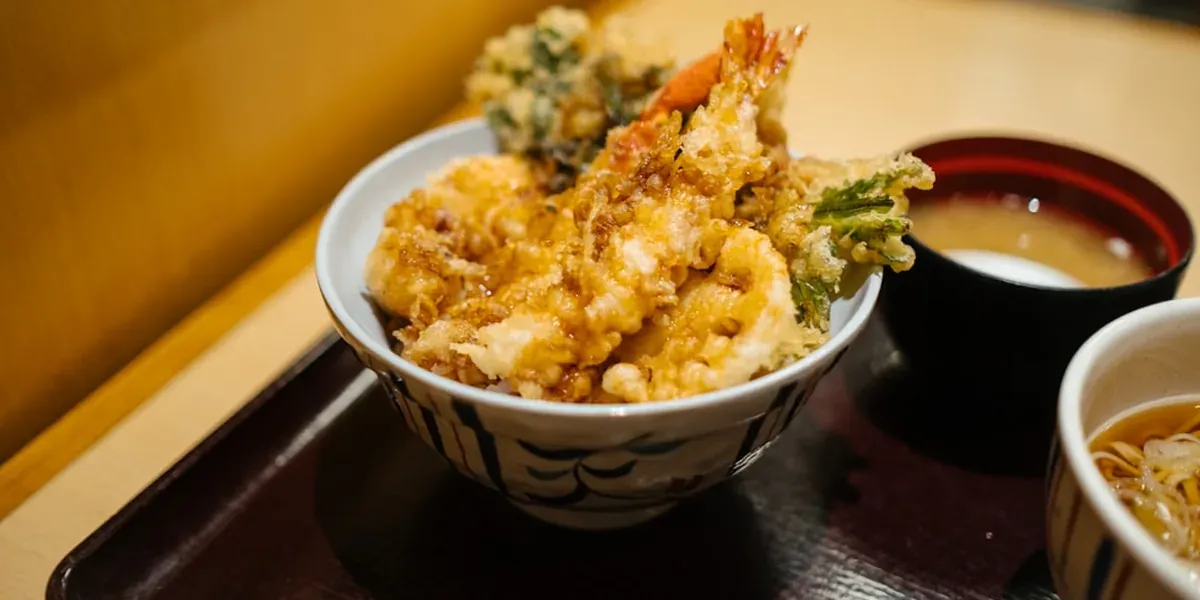
Autumn food is excellent — chestnuts (kuri), persimmons (kaki), sanma (Pacific saury), matsutake mushrooms, and momiji tempura (deep-fried maple leaves). The seasonal food is the second highlight after the foliage itself. For the full food strategy, see the convenience store food guide and the Kyoto-Osaka street food guide.
Do I need Japanese to enjoy koyo?
No — but Google Translate’s image translation helps for menu reading. Most major koyo spots have some English. The day trips (Nikko, Hakone, Kamakura) have English signage. See the travel apps guide for the full app list.
Is koyo good for photography?
Yes — it’s arguably the best photography season in Japan. The colors are more varied than cherry blossom, the lighting is softer (low sun angle), and the illumination events are dramatic. Best hours: 1 hour after sunrise, 1 hour before sunset, and during the night illuminations.
What should I skip in autumn?
Three things: Roppongi at night (same bar scams as spring), Universal Studios Japan (lines are even worse in autumn), and Mount Fuji climbing (closed after September, opens July). For autumn alternative activities, see the hiking guide for low-elevation autumn hikes and the onsen guide for the best autumn onsen.
Plan Your Autumn Japan Trip — The 10-Day Koyo Itinerary
Autumn rewards travelers who plan a slow route through 2–3 cities. The 10-day plan below catches Tokyo peak, Kyoto peak, and 2 day trips — without rushing.
The 10-day recap:
- Arrive Tokyo November 18 — peak is 2–7 days away, accommodation still available
- Day trip to Hakone or Nikko — both peak November 10–30
- Stay in Asakusa — the cheapest Tokyo base
- Move to Kyoto November 22 — Kyoto peaks start
- Day trip to Nara or Osaka — both peak November 20
- Stay in Kyoto 4–5 nights — the deepest koyo experience
- Hit Tofuku-ji at sunrise — avoid the queue
- Hit Kiyomizu-dera at night — the iconic illumination
- Try momiji tempura — the autumn food highlight
- Depart December 1 — end of peak, last of the leaves
The 10-step autumn plan:
- Tokyo base: 4 nights — Asakusa hostel, day trip to Nikko or Hakone
- Kyoto base: 5 nights — Kyoto hostel or budget ryokan, day trip to Nara or Arashiyama
- Last night: 1 night — Tokyo if departing from Haneda/Narita, or Kyoto if departing from Kansai
For the longer itinerary that includes Osaka, see the 2-week Japan budget itinerary. For the shorter itinerary, see the 10-day Japan budget itinerary.
For the rest of the trip — accommodation, transport, food, packing, insurance, and how to keep the 10-day total under ¥90,000 — see the Japan budget guide, the Tokyo budget guide, the Japan cherry blossom guide (the spring sibling), the cheapest time to visit Japan guide, the onsen budget guide, the hiking budget guide, the Tokyo day trips hub, the hotel booking guide, the Tokyo to Kyoto budget guide, the JR Pass 2026 worth it guide, the convenience store food guide, the Kyoto to Osaka street food guide, the free things to do in Kyoto guide, the free things to do in Osaka guide, the free things to do in Tokyo guide, the trip cost 2026 guide, the budget mistakes guide, the solo travel guide, the best eSIM Japan guide, the travel insurance guide, the packing list, the money in Japan guide, the travel apps guide, the vegan budget guide, the IC card guide, the Kamakura day trip guide, the Hakone day trip guide, the Nara day trip guide, the Mt Fuji day trip guide, the Hiroshima budget guide, and the Fukuoka budget guide.