Nara Day Trip on a Budget: Deer, Temples & Under ¥4,000 Total (2026)
Complete budget guide to a Nara day trip from Osaka or Kyoto — deer park, Todai-ji temple, cheap transport, and what to eat for under ¥4,000 all-in.
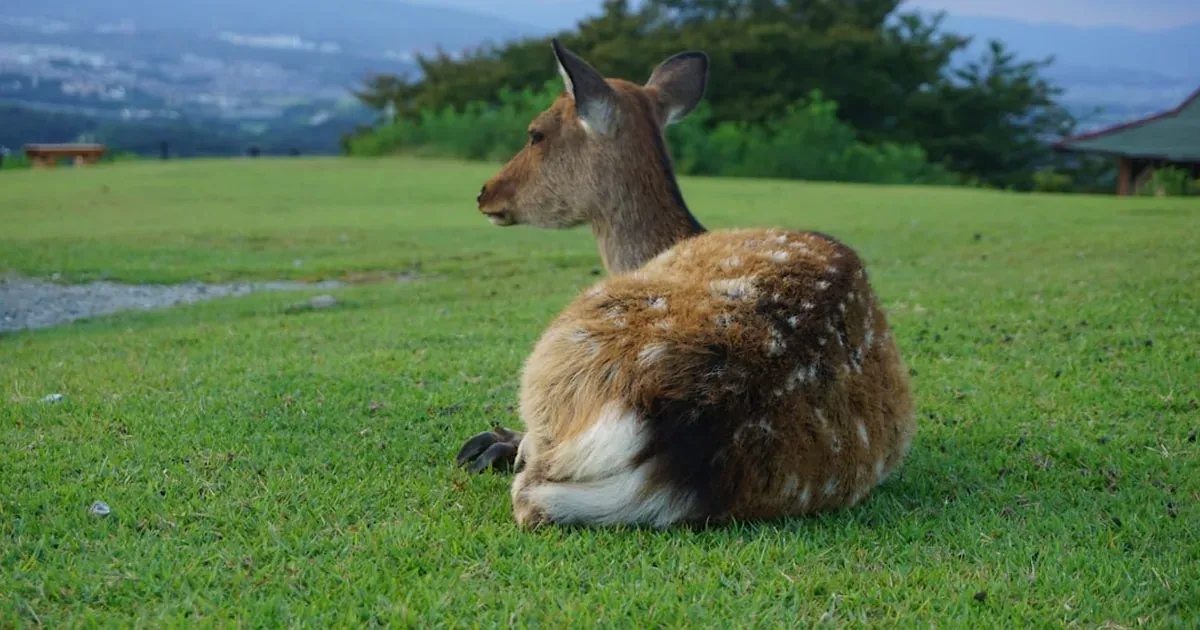
Nara is one of the easiest and cheapest day trips in Japan — and one of the most memorable. Over 1,200 wild sika deer roam freely through the park, streets, and shrine approaches, completely unafraid of people. The main temple, Todai-ji, houses Japan’s largest bronze Buddha in a hall that is itself the largest wooden structure in the world. Both are accessible for under ¥4,000 total for the day including transport from Osaka.
Most Japan itineraries treat Nara as an afterthought. Budget travelers who actually go come back saying it was a highlight of their entire trip. This guide covers everything — how to get there cheaply, what costs money and what doesn’t, where to eat without overpaying, and how to time your visit to avoid the worst of the tour groups.
Nara was included as a day trip in our 2-week Japan budget itinerary for good reason — it’s genuinely one of the best value half-days in the entire Kansai region.
Nara at a Glance
- Distance from Osaka: 45 minutes by train
- Distance from Kyoto: 45 minutes by train
- Entry to deer park: Free
- Todai-ji temple entry: ¥800
- Full day budget: ¥3,500–4,500 including transport from Osaka
- Best time to go: Weekday morning, 8–9am arrival
- How long to spend: 4–6 hours is ideal — a full day feels long
Getting to Nara — The Cheapest Options
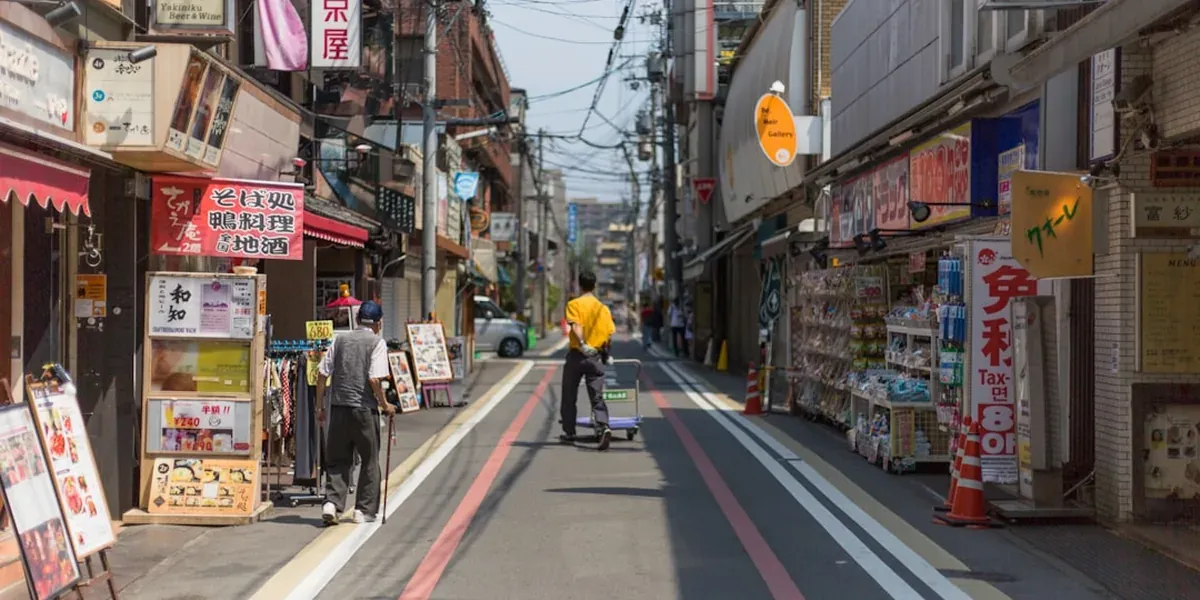
From Osaka — ¥820 return (cheapest)
The Kintetsu Nara Line from Osaka-Namba Station to Kintetsu Nara Station is the cheapest and most direct option. ¥410 each way, ¥820 return. Journey time: 39 minutes on the Limited Express (no extra charge), 48 minutes on the Express.
Tap your IC card at Osaka-Namba Station on the Kintetsu line. The Kintetsu and JR entrances at Namba are separate — follow signs for Kintetsu specifically. Tap out at Kintetsu Nara Station.
Important: Kintetsu Nara Station drops you 400 metres closer to the deer park than JR Nara Station. If you accidentally take the JR line (¥460 each way from JR Osaka Station), it still works — just a slightly longer walk to the park.
From Kyoto — ¥720 return (via JR)
The JR Nara Line from Kyoto Station to JR Nara Station runs every 15–30 minutes. ¥360 each way, ¥720 return. Journey time: 46 minutes on the Miyako-ji Rapid, 70+ minutes on local trains. Take the Rapid — same price, much faster.
If you’re coming from Kyoto and have visited some of the free Kyoto temples in the morning, you can easily do Nara as an afternoon trip — leave Kyoto at 11am, arrive Nara by noon, and have a full 4–5 hours before returning.
From Tokyo — not recommended as a day trip
Nara from Tokyo is a 2.5-hour journey each way including Shinkansen. Add the Shinkansen cost (¥13,000+ each way) and this becomes an expensive trip that requires a full day. If you’re visiting Nara from Tokyo, combine it with a night in Kyoto or Osaka rather than trying to do it in a day. Full Tokyo to Kyoto transport options: Cheapest Ways from Tokyo to Kyoto.
Do I need to reserve transport?
No. Both Kintetsu and JR trains to Nara run frequently throughout the day with no reservation required — just tap your IC card and board. The only time trains get crowded is during Golden Week and cherry blossom season, when standing room only is possible on peak morning departures.
The Free Nara Deer Park — What to Expect
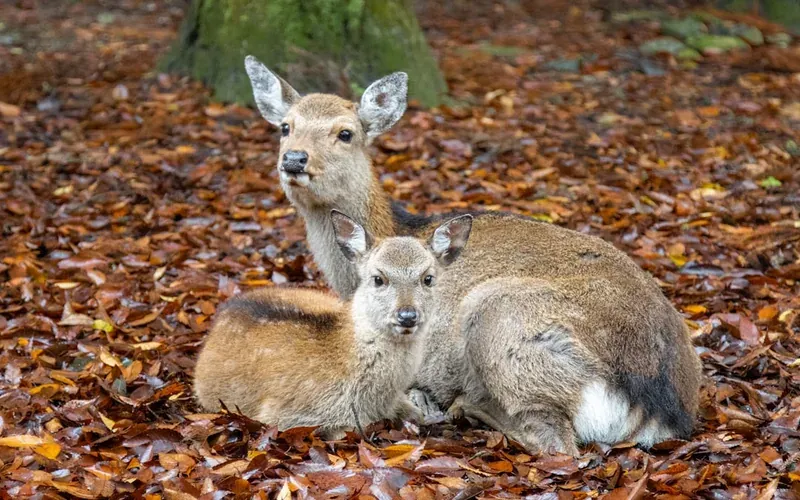
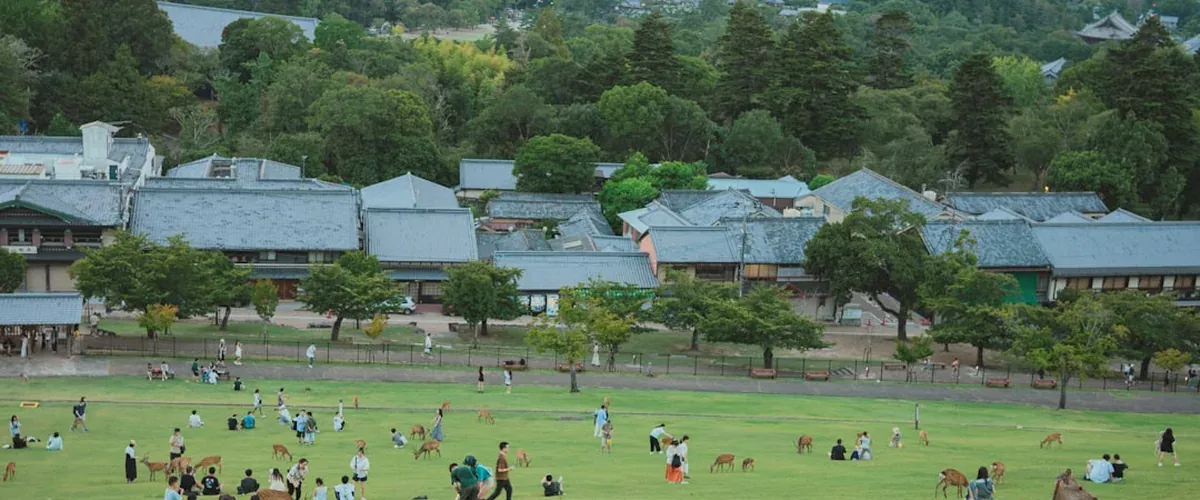
Nara Park is completely free to enter and covers 660 hectares of grassland, forested paths, and temple grounds. The 1,200+ deer that live here are designated as national treasures and are genuinely wild — not trained or kept in enclosures. They wander everywhere, including into the shopping streets surrounding the park.
The deer crackers — worth buying once
Vendors throughout the park sell shika senbei (deer crackers) for ¥200 for a bundle. The moment you hold one, every nearby deer will surround you. It’s chaotic, funny, and worth doing at least once. The deer have learned to bow when they want a cracker — they watch humans bow and mimicked the behaviour.
What to know before buying:
- Hold crackers above your head initially to avoid a rush
- Once the crackers are gone, deer lose interest immediately
- Keep food items in bags — deer will stick their heads into open bags
- Don’t tease deer with crackers or hold them too long — they will headbutt you
The best time to visit for fewer crowds
Nara is heavily visited between 10am and 3pm when tour buses arrive from Osaka and Kyoto. The difference between arriving at 8am and arriving at 11am is extraordinary — the park goes from peaceful to packed in under an hour on busy days.
Optimal timing: Take the first or second morning train from Osaka or Kyoto, arrive at Nara by 8:30–9am. Walk the main path to Todai-ji before it opens (9am), then enter immediately at opening before tour groups catch up.
Todai-ji Temple — ¥800, Worth Every Yen
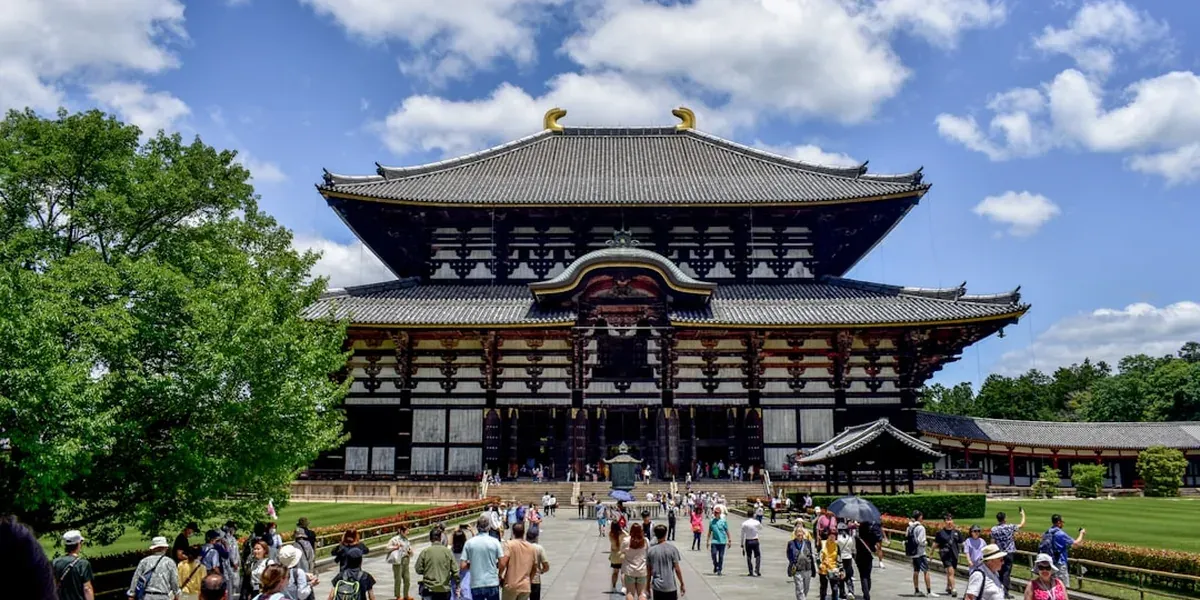
Todai-ji is the one paid entry in Nara that every budget traveler should pay. At ¥800 it’s more expensive than most Japanese temple entries, but the scale of what you get is genuinely extraordinary.
The Daibutsuden (Great Buddha Hall) is the largest wooden building in the world — despite being rebuilt in the Edo period at only two-thirds of its original size. Inside sits the Daibutsu (Great Buddha), a 15-metre bronze statue weighing 500 tonnes, cast in 752 AD. Nothing else in Japan quite prepares you for the scale of it.
Practical details:
- Opens: 8am (April–October), 8:30am (November–March)
- Closes: 5pm (April–October), 4:30pm (November–March)
- Entry: ¥800 adults
- Time needed: 30–45 minutes inside
- Photography: Allowed inside, no flash
The pillar hole: Inside the Daibutsuden, one of the wooden support pillars has a hole at its base exactly the size of one of the Buddha’s nostrils. Local tradition says anyone who can squeeze through will receive enlightenment. Children fit easily. Most adults do not. Watching people attempt it is free entertainment.
What’s Free in Nara
The majority of Nara’s best experiences cost nothing:
Nara Deer Park — 660 hectares, 1,200+ deer, completely free. This alone justifies the trip.
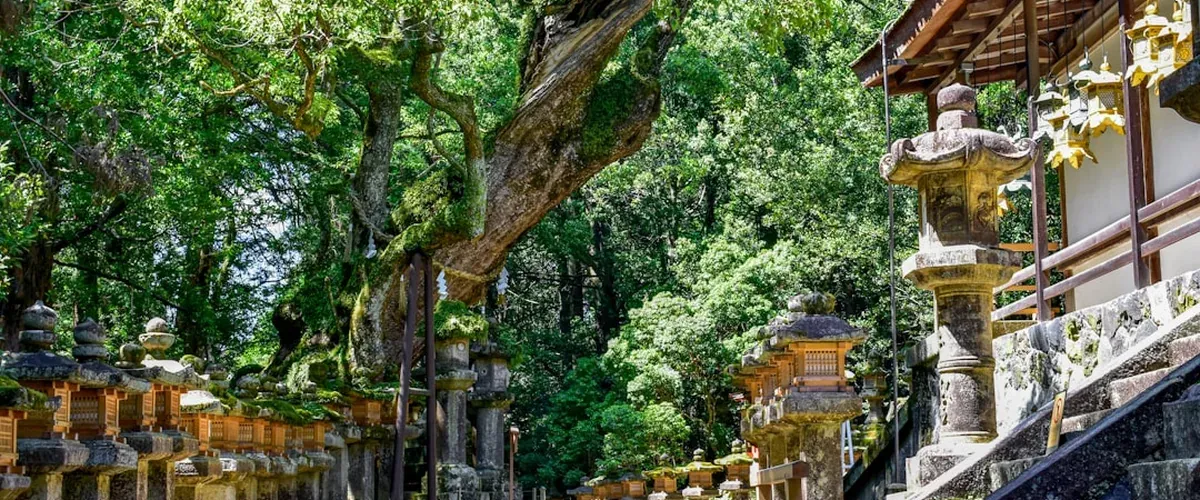
Kasuga Taisha Shrine approach path — The stone lantern-lined forest path to Kasuga Grand Shrine is free and one of the most atmospheric walks in Japan. Over 3,000 stone and bronze lanterns line the approach. The shrine interior charges ¥500 but the approach is the experience.
Nandaimon Gate (Todai-ji entrance gate) — The massive wooden gate fronting Todai-ji, housing two enormous Nio guardian statues carved in the 13th century, is free to walk through and examine. These statues are among the finest examples of Japanese Buddhist sculpture anywhere.
Yoshikien Garden — A traditional Japanese garden that charges Japanese visitors ¥250 but is free for foreign tourists with a passport. Almost nobody knows this. A small, beautiful moss garden adjacent to the tourist crowds.
Isui-en Garden — ¥900 entry, one of the finest gardens in Japan — skip if on a strict budget but worth knowing about.
The Nara Shopping Street — Sanjo-dori
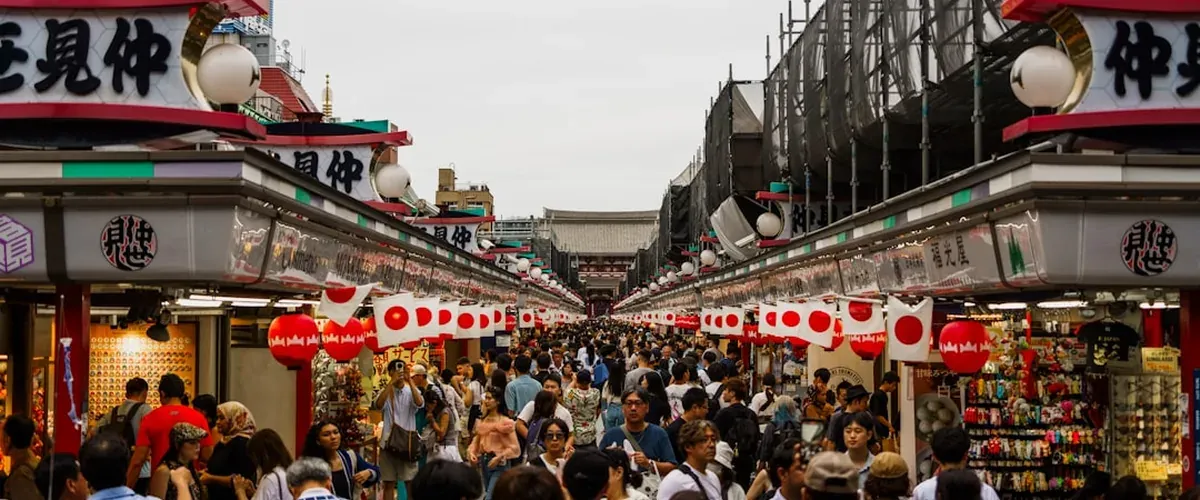
Sanjo-dori is the main shopping street running between Kintetsu Nara Station and the deer park entrance. It’s lined with souvenir shops, cafes, and food stalls — and almost everything here is overpriced for tourists.
What to buy on Sanjo-dori:
- Deer crackers from vendors (¥200 — fair price, can’t get them elsewhere)
- Nakatanidou mochi — famous mochi shop where staff pound fresh mochi in a dramatic show every 30 minutes. Queue is usually 10–20 minutes but worth it. ¥130 per piece.
What to skip:
- Souvenirs (standard Japanese souvenir markup, nothing unique to Nara except deer-themed items)
- Sit-down restaurants on the main street (tourist pricing, ¥1,500+ for average food)
Where to Eat in Nara on a Budget
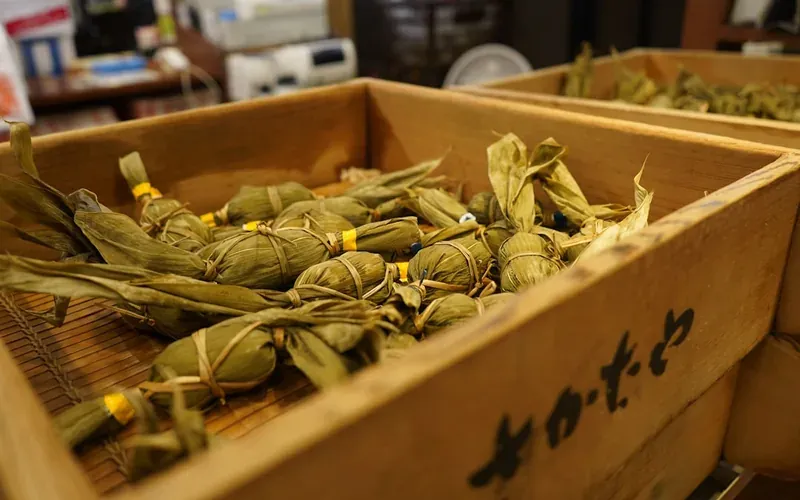
Nara’s food scene is tourist-oriented on the main streets and genuinely good if you know where to look. Budget strategy: eat before you go (konbini breakfast in Osaka or Kyoto, full guide: Japan Convenience Store Food Guide), graze Nara’s street food for lunch, and return to Osaka for a proper dinner.
Best budget food in Nara:
Nakatanidou mochi — ¥130 per piece The most famous food in Nara. Fresh yomogi (mugwort) mochi pounded to order. Soft, slightly chewy, lightly sweet with red bean filling. Buy two pieces and eat them on the street immediately — they harden as they cool. The pounding performance happens every 30 minutes and draws a crowd, but the queue moves fast.
Kakigori (shaved ice) — ¥500–700 in summer Nara has several good kakigori shops near the park. In summer heat (June–September), a proper matcha or hojicha kakigori with condensed milk is one of the best ¥600 purchases in Japan.
Konbini near the station — ¥400–600 for a full lunch There’s a 7-Eleven just before the deer park entrance. In a tourist area where sit-down restaurants run ¥1,200–1,800, eating a konbini bento on a bench in the park surrounded by deer costs ¥500 and is objectively a better experience.
Gyudon at the station — ¥400–600 Yoshinoya or Sukiya chains near both train stations offer beef bowl sets under ¥600. Identical to what you’d pay anywhere in Japan — no tourist markup.
The Budget Nara Day Itinerary
8:00am   Depart Osaka-Namba (Kintetsu Limited Express)
8:39am   Arrive Kintetsu Nara Station
8:45am   Walk Sanjo-dori towards the park (15 min)
9:00am   Todai-ji opens — enter immediately before tour groups (¥800)
9:45am   Exit Todai-ji, walk to the deer park grassland
10:00am  Buy deer crackers (¥200), interact with deer
10:45am  Walk Kasuga Taisha lantern path (free)
11:15am  Yoshikien Garden — free entry for foreign tourists
11:45am  Nakatanidou for fresh mochi (¥260 for 2 pieces)
12:00pm  Konbini lunch on a park bench — ¥500
12:45pm  Explore quieter park areas, more deer time
2:00pm   Walk back through Sanjo-dori, browse shops
2:30pm   Kintetsu back to Osaka or JR back to Kyoto
Total spend:
| Item | Cost |
|---|---|
| Kintetsu return (Osaka) | ¥820 |
| Todai-ji entry | ¥800 |
| Deer crackers | ¥200 |
| Mochi x2 | ¥260 |
| Konbini lunch | ¥500 |
| Drinks (konbini) | ¥220 |
| Total | ¥2,800 |
Under ¥3,000 for a full Nara day including return transport. One of the best value days in Japan.
How Nara Fits Into Your Wider Kansai Trip
Nara is the natural third stop in the Kansai circuit that runs through this guide:
The complete Kansai budget route:
- Arrive in Kyoto via overnight bus from Tokyo (¥3,500)
- Spend 2–3 days doing free things in Kyoto
- Take Hankyu to Osaka (¥410) and base there
- Day trip to Nara from Osaka (¥820 return) — this guide
- Eat your way through Osaka for 2–3 days
This circuit keeps accommodation costs low (Osaka is cheaper than Kyoto per night — see the accommodation guide), transport costs minimal (IC card for everything — see the IC card guide), and packs in an extraordinary amount of variety for under $800 total excluding flights.
Nara vs Kyoto vs Osaka — Which is Worth More of Your Time?
Budget travelers sometimes debate whether to spend an extra night in Kyoto or do Nara instead. Here’s the honest take:
Spend more time in Kyoto if: You haven’t done the full Fushimi Inari trail, Arashiyama at sunrise, or the Philosopher’s Path. These experiences each deserve their own unhurried morning.
Do Nara as a day trip if: You’ve covered the Kyoto essentials and want something completely different — the deer park is unlike anything else in Japan, and Todai-ji’s scale is genuinely not replicated anywhere.
Don’t skip Nara entirely: Most first-time Japan visitors who skip Nara regret it when they see the photos of the deer. It’s a ¥820 train ride and a free park. The bar for going is extremely low.
Frequently Asked Questions
How do I get from Osaka to Nara cheaply?
Take the Kintetsu Nara Line from Osaka-Namba Station to Kintetsu Nara Station — ¥410 each way, ¥820 return. The journey takes 39–48 minutes depending on the service. Tap your IC card at the Kintetsu gate (separate from JR gates at Namba). This is cheaper than the JR option and drops you closer to the deer park.
Is Nara deer park free?
Yes. Nara Deer Park is completely free to enter and the 1,200+ deer that live there can be approached and fed at no charge. Deer crackers (shika senbei) are sold by vendors for ¥200 per bundle.
How much does Todai-ji cost?
Todai-ji temple entry is ¥800 for adults. This covers entry to the Daibutsuden (Great Buddha Hall) which houses Japan’s largest bronze Buddha. The outer grounds and Nandaimon gate are free to walk through.
How long does a Nara day trip take?
4–6 hours is enough for a comfortable Nara day trip covering the deer park, Todai-ji, and the Kasuga Taisha approach path. With a 39-minute train from Osaka, you can arrive by 9am, explore fully, and be back in Osaka by 3–4pm with the rest of the day free.
Can I do Nara from Kyoto?
Yes. The JR Nara Line runs from Kyoto Station to JR Nara Station in 46 minutes on the Miyako-ji Rapid service — ¥360 each way, ¥720 return. This makes Nara equally accessible from both Kyoto and Osaka.
Are the deer in Nara dangerous?
Nara’s deer are wild but accustomed to humans and generally gentle. They can become pushy when food is visible — hold crackers high and distribute them quickly. Deer have been known to headbutt or nibble clothing when they smell food. Keep food in zipped bags and don’t tease deer with crackers. Injuries are rare but can happen when deer feel provoked.
What is the cheapest way to do a Nara day trip?
The cheapest realistic Nara day trip from Osaka costs under ¥3,000 — ¥820 return transport, ¥800 Todai-ji entry, ¥200 deer crackers, and ¥500 for a konbini lunch eaten in the park. Everything else in Nara worth seeing is free.
Planning what to bring? See our Japan budget packing list — including exactly what to buy at konbini instead of packing.
Prices correct as of May 2026. Exchange rate approximately ¥150 = $1 USD.