Japan Budget Packing List 2026: Bring Less, Buy More
The budget traveler's Japan packing list — what to bring, what to buy at konbini on arrival, and what capsule hotels and overnight buses actually need.
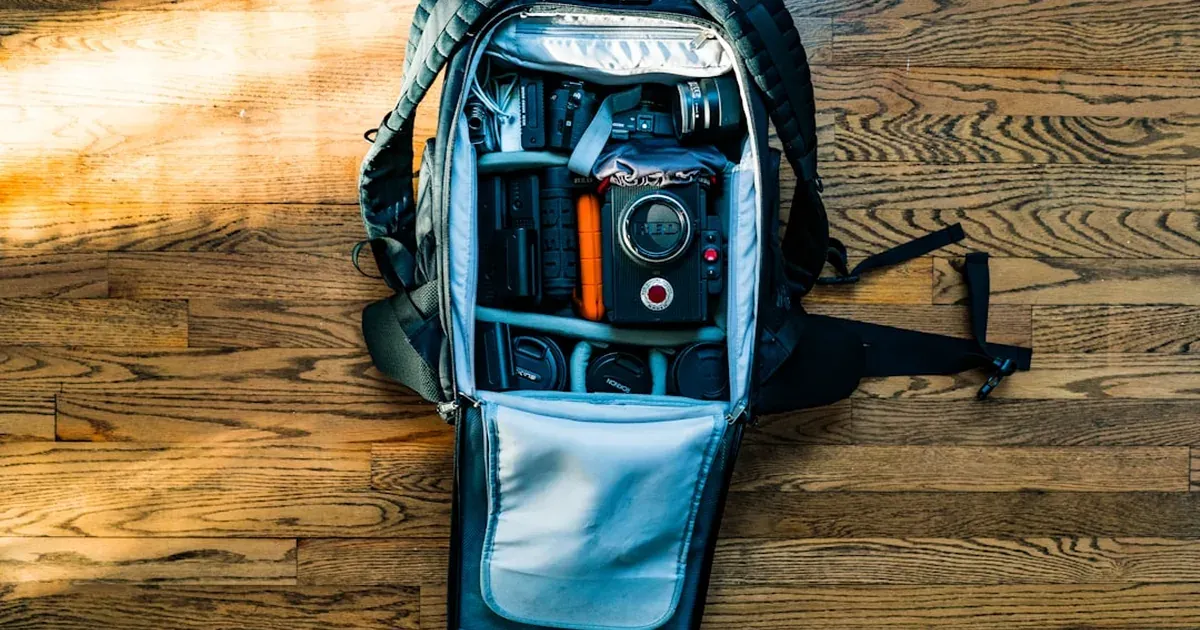
The single best packing advice for Japan is this: pack half of what you think you need, and buy the rest at a convenience store when you land.
Japan has 56,000 convenience stores open 24 hours. Japanese convenience stores sell toiletries, snacks, drinks, and everyday items — you can buy almost anything you forget, and they also offer easy luggage forwarding services so you can send your suitcase to your next hotel in simple steps. This changes the packing calculation entirely. You don’t need to bring two weeks of shampoo. You don’t need to pack backup socks. You don’t need to stress about forgetting something.
What you do need to think carefully about is what you cannot buy at a konbini — and how to pack specifically for budget accommodation like capsule hotels, hostels, and overnight buses. That’s what this guide is.
The Budget Packing Philosophy: Lighter = Cheaper
For budget Japan travel specifically, packing light has direct financial benefits that general packing guides ignore:
Carry-on only saves money on flights. Budget airlines like Peach and Jetstar Japan charge ¥2,000–5,000 for checked luggage on domestic routes. If you’re flying domestically within Japan, fitting into a carry-on saves that fee every time.
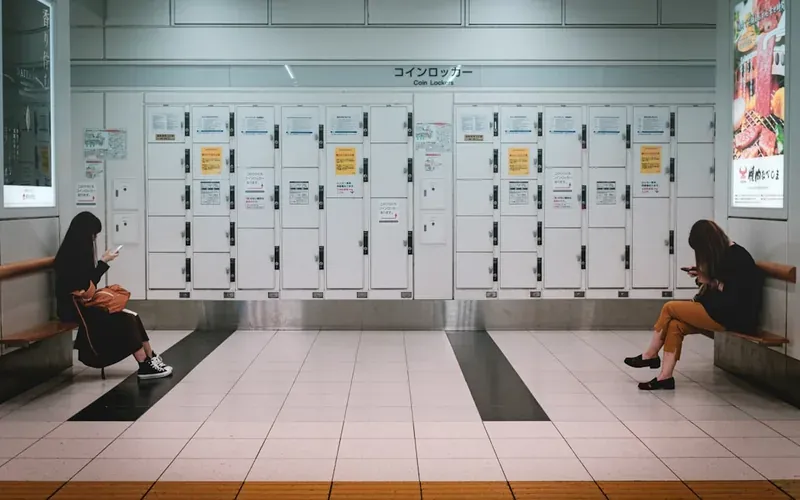
Small bags fit in coin lockers. Station coin lockers are sized for day bags, not large suitcases. If you’re doing a day trip to Nara and want to store your main bag at Osaka Station, a smaller bag fits in a small locker at ¥300 versus a large locker at ¥700. Over 14 days that difference adds up.
Less luggage = easier overnight buses. The overnight bus from Tokyo to Kyoto has limited overhead storage. A 40L backpack fits easily. A large wheeled suitcase causes problems and stress.
Capsule hotel pod storage is limited. The storage locker at most capsule hotels fits a 40–50L backpack. Large suitcases go in separate luggage rooms — not always available. Pack into a bag that fits a locker.
What to Bring: The Non-Negotiables
These are the things you genuinely cannot easily replace in Japan or that matter specifically for budget travel.
Documents and Money
Passport — Japan does not require 6 months validity beyond your travel dates, unlike many destinations. You need enough validity to cover your stay only. Make a photocopy and store it separately from the original. Store a digital copy in your email or cloud storage as well.
Cash — ¥20,000–30,000 on arrival — Japan is increasingly cashless but many small temples, local restaurants, and rural areas remain cash-only. Withdraw from 7-Eleven or Japan Post ATMs, which accept most foreign cards reliably. Your IC card handles most small purchases but initial cash is important for the first day.
Credit/debit card — Visa and Mastercard are accepted at hotels, department stores, and larger restaurants. Amex acceptance is lower. Notify your bank before departure to avoid fraud blocks.
Travel insurance documentation — Printed or screenshot. Medical care in Japan is excellent but expensive for foreigners without insurance. Full guide: Japan Travel Insurance 2026.
Electronics
Phone + charging cable — Your most important tool. Download offline maps for Tokyo, Kyoto, and Osaka in Google Maps before you fly — you’ll have data via eSIM but offline maps save battery and work in tunnels.
eSIM or data SIM — Set up before departure. The most important thing to pack is an eSIM — so you have maps, translation, and connectivity the moment you land. Physical SIM cards are available at Narita, Haneda, and Kansai Airport convenience stores on arrival (¥3,000–5,000 for 15–30 day data), but eSIM setup from home means you’re connected before you clear customs. Full comparison: Best eSIM for Japan 2026.
Power adapter — Japanese outlets are 100V with US-style flat two-pronged sockets. US-style two-pronged cords work in Japanese outlets, but devices requiring three prongs such as laptops won’t work without an adapter. A universal travel adapter covers this. UK and European plugs need an adapter — buy one before you leave, as Japanese hardware stores rarely stock them.
Portable battery pack — While charging points exist in Japan, they are not always conveniently located when needed, especially during peak travel hours or while exploring neighborhoods on foot. A 10,000mAh battery bank covers two full phone charges. Essential for long days out when you’re navigating constantly.
Universal power strip (optional but useful) — Capsule hotel pods typically have one or two outlets. A small travel power strip lets you charge phone, battery bank, and earbuds simultaneously. Takes up almost no space.
Clothing: The Budget Traveler’s Approach
Pack comfortable shoes — you will likely walk 15,000–25,000 steps daily in Japan. Every other clothing decision is secondary to this one.
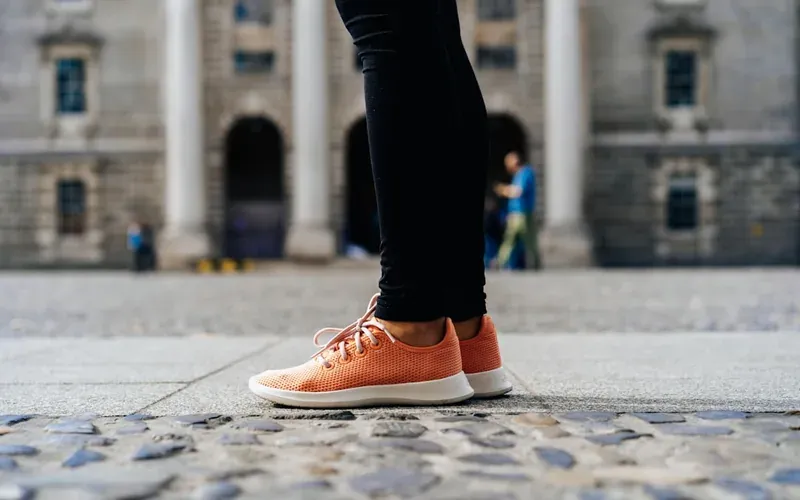
Shoes — the most important item you pack:
One pair of well-worn, comfortable walking shoes is all you need. Do not bring new shoes. Do not bring fashion shoes. Your feet will cover more ground in Japan than almost any other travel destination — the Kyoto free temple itinerary alone involves 8–10km of walking, and the Fushimi Inari summit circuit is 4km of uneven stone steps.
Slip-on shoes or easy-to-remove shoes are genuinely helpful — you’ll remove shoes at temple entrances, traditional restaurants, some guesthouses, and anywhere with a tatami floor. Shoes with complicated laces slow you down multiple times a day.
Socks — Bring enough for 5–7 days minimum. Make sure socks don’t have holes — Japan is one country where you take shoes off regularly and everyone sees your socks. Coin laundries at hostels run ¥200–400 per wash.
Clothing volume by trip length:
For a 14-day trip, this is all you need:
- 5–6 T-shirts or tops (neutral colours photograph better against colourful temples)
- 2–3 pairs of trousers or shorts
- 1 lightweight jacket or hoodie (for air conditioning on trains and in summer; essential in winter)
- 5–7 pairs of underwear and socks
- 1 smart-casual outfit for restaurants or evenings out
Neutral tops — black, white, beige, navy — tend to look best in photos. You will find yourself surrounded by colourful temples and chaotic landscapes — you do not want a bright yellow top stealing the limelight.
Season-specific additions:
| Season | Extra items |
|---|---|
| Winter (Dec–Feb) | Thermal base layer, warm coat, gloves, scarf |
| Spring (Mar–May) | Light rain jacket, layers for temperature swings |
| Rainy season (June) | Compact umbrella or lightweight waterproof jacket |
| Summer (Jul–Aug) | Lightweight breathable fabrics only, small hand towel for sweat |
| Autumn (Sep–Nov) | Medium jacket, layers |
Full seasonal breakdown and timing guide: Cheapest Time to Visit Japan.
Japan-Specific Essentials You Might Not Think Of
Pocket tissues — Many public restrooms in Japan have no paper towels or hand dryers. Carry pocket tissue packs — free ones are often distributed at train stations by advertisers. Buy a multipack at any konbini for ¥100–200 on arrival.
Small hand towel or tenugui — Japanese restrooms rarely have hand dryers. A small cloth towel serves this purpose and is also useful in summer for wiping sweat. Tenugui (thin Japanese cotton towels) are available everywhere in Japan for ¥300–800 and make a good souvenir too.
Eco bag (reusable shopping bag) — Japan charges ¥3–5 for plastic bags at convenience stores and supermarkets. A foldable reusable bag takes up almost no space and saves small change throughout the trip.
Small coin purse — Japan still uses significant amounts of cash and coins accumulate fast. ¥100 and ¥500 coins are used constantly at vending machines, coin lockers, and small temples. A small dedicated coin section prevents pockets full of loose change.
Padlock (small) — Some hostel lockers require your own padlock. A small combination lock (no key to lose) weighs almost nothing and saves the ¥200–300 locker rental fee some hostels charge when you don’t have one.
Earplugs — Non-negotiable for hostel dorms. Even quiet dorms have one person who snores. Pack silicone earplugs, not foam — they’re more effective and reusable.
Small backpack or day bag — A 15–20L daypack for daily exploring while your main bag stays at the hostel or in a coin locker. Essential for Nara day trips, temple walks, and anywhere you don’t want to carry your full luggage.
What to Pack for Specific Budget Accommodation
Capsule Hotels
Capsule hotels have specific packing requirements that generic packing lists never mention:
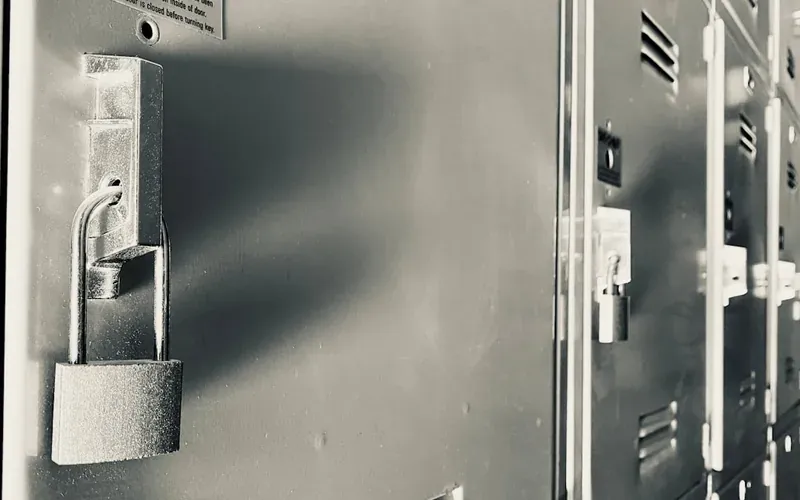
Your bag must fit a locker. Most capsule hotel lockers are designed for bags up to 40–50L. Large wheeled suitcases (>70L) go in a separate luggage room — not always available, and a hassle when you want something from your bag at 2am.
Bring inside the pod: Phone + charger, earplugs, small toiletry bag, clean clothes for tomorrow, padlock for your locker, your IC card and wallet.
Leave in your locker: Everything else. The pod is not a storage room — it’s a sleeping space roughly 2m × 1.2m × 1m.
What capsule hotels provide: Pyjamas (most modern ones), towel (most modern ones — confirm when booking), toothbrush and basic toiletries (many provide, confirm), shower facilities (always provided, gender-separated).
What you need to bring: Earplugs (vital), padlock (some require your own), flip-flops for shared bathrooms (some provide, never assume), and if you’re a light sleeper — a sleep mask (capsule lighting varies by property).
Full capsule hotel guide: Japan Budget Accommodation Guide.
Hostels
Hostel packing is similar to capsule hotels with one addition: a microfibre travel towel. Many budget hostels charge ¥100–200 for towel rental. A compact microfibre towel (30×60cm) dries in 30 minutes, weighs almost nothing, and pays for itself after two uses.
Overnight Bus

The overnight bus from Tokyo to Kyoto is one of the best budget moves you can make — saving both a hotel night and transport cost. Packing specifically for it makes the 7–8 hour journey significantly more comfortable:
Pack in your personal item for the bus:
- Neck pillow (a cheap inflatable one is fine — ¥800 at a konbini or ¥300 at a 100-yen shop)
- Earplugs
- Sleep mask
- Phone + charger (most buses have power outlets at each seat)
- Light snacks and a drink — stock up at a konbini before boarding, full guide: Japan Convenience Store Food Guide
- Warm layer — overnight buses run cold air conditioning regardless of outside temperature
Your main bag goes in the luggage compartment below — you won’t access it during the journey. Make sure everything you need for the 8-hour ride is in your personal item before boarding.
What to Buy at Konbini Instead of Packing
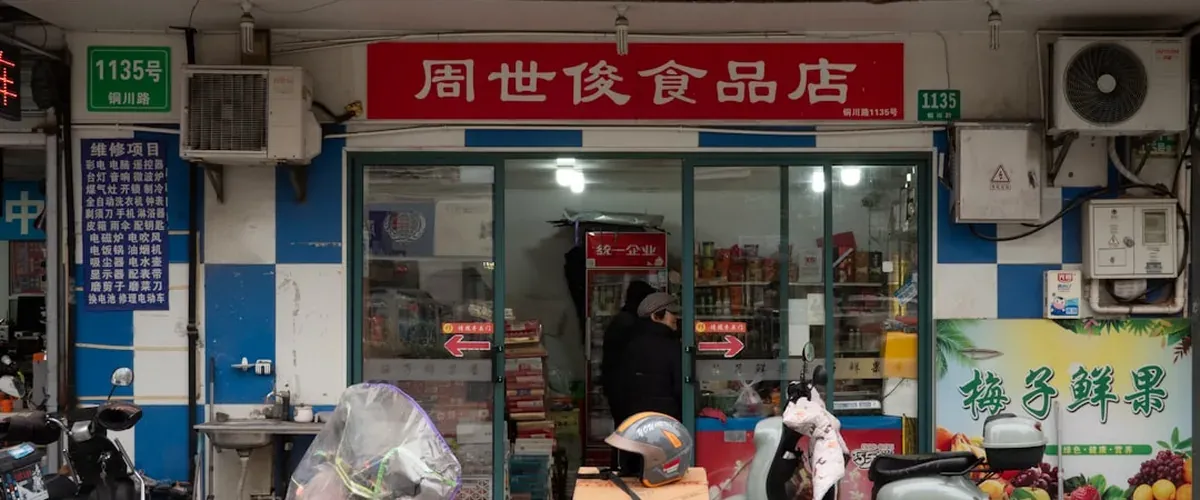
This is the section no other packing guide writes — because most packing guides aren’t specifically for Japan’s konbini culture. Japan is incredibly travel-friendly, and even if you forget something it is easy to find — convenience stores sell toiletries, snacks, drinks, and everyday items so there is no need to overpack.
Buy on arrival at any 7-Eleven, Lawson, or FamilyMart:
| Item | Konbini cost | Leave at home |
|---|---|---|
| Toothbrush + toothpaste | ¥150–300 | Yes — buy there |
| Shampoo + conditioner (travel size) | ¥200–400 | Yes — buy there |
| Body wash | ¥200–350 | Yes — buy there |
| Razor | ¥150–300 | Yes — buy there |
| Deodorant | ¥300–500 | Yes — buy there |
| Sunscreen (SPF 50) | ¥600–900 | Yes — buy there |
| Pocket tissues | ¥100–200 | Yes — buy there |
| Umbrella (compact) | ¥500–700 | Yes — buy there |
| Pain relief (ibuprofen) | ¥400–600 | Yes — buy there |
| Blister plasters | ¥200–400 | Yes — buy there |
| Phone charging cable (emergency) | ¥800–1,500 | Yes — buy there |
| Socks (if you forgot) | ¥200–400 | Yes — buy there |
What you cannot buy at konbini:
- Prescription medications — bring your entire supply from home with original packaging and a doctor’s note. Some Western medications are restricted in Japan, including certain ADHD medications and codeine-based painkillers. Japanese customs can confiscate undeclared medication.
- Comfortable walking shoes in large Western sizes — Japanese shoe sizing tends to smaller sizes. Men above EU 44 / US 10.5 will struggle to find shoes.
- Power adapters for UK and European plugs — available at electronics shops but harder to find quickly on arrival.
- Your specific brand of contact lenses or prescription glasses.
Full konbini guide covering what to eat and the best products to buy: Japan Convenience Store Food Guide.
Luggage Forwarding — The Budget Traveler’s Secret Weapon
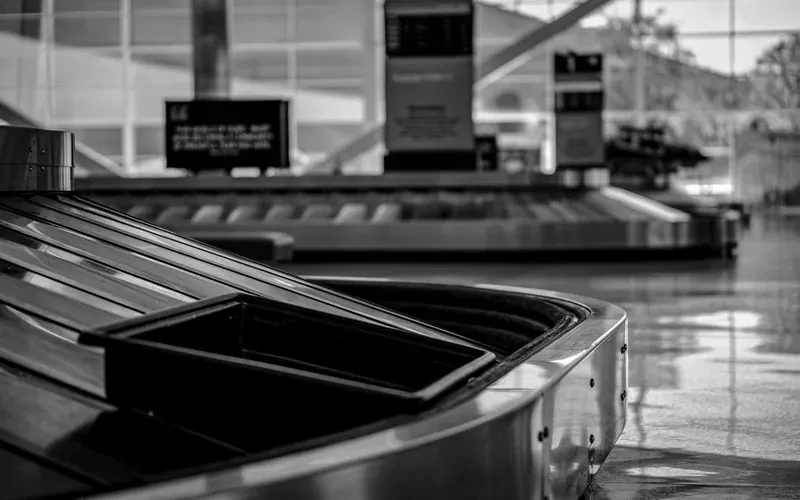
Japan’s takkyubin (luggage forwarding) service is one of the most practical things available to budget travelers — and almost nobody outside Japan knows it exists. Japan offers easy and affordable luggage forwarding services where you can send your suitcase to your next hotel in very easy steps.
How it works:
Drop your suitcase at any konbini, post office, or hotel front desk before 11am. It will be delivered to your next hotel by the following morning — anywhere in Japan. Cost: ¥1,500–2,500 depending on bag size and distance.
Why budget travelers should use it:
If you’re moving from Tokyo to Kyoto on the overnight bus, you don’t want to manage a large suitcase on a 10pm bus with limited storage. Forward your main bag the day before, carry only your overnight essentials on the bus, pick up your bag at your Kyoto hostel the next day. You travel light, sleep better, and your bag is waiting when you arrive.
The same logic applies to Kyoto → Osaka, Osaka → Nara, or any city-to-city move in the 2-week Japan budget itinerary. Forwarding your bag costs ¥1,500–2,500 but removes hours of awkward luggage management.
What NOT to Pack
Travelling light is always ideal — you don’t need to bring much to cover almost any situation in Japan. Here’s what to leave at home:
Guidebooks — Heavy and outdated by publication. BudgetYen covers every route you need, and Google Maps offline covers navigation.
Hair dryer — Every hostel and capsule hotel provides one at a shared station. Bringing your own wastes significant bag space.
Full-size toiletries — As covered above, buy travel sizes on arrival.
Too many clothes — Coin laundry is available almost everywhere in Japan for ¥200–400 per wash. Pack for 7 days, do one laundry mid-trip, and you’ve covered 14 days with half the clothes.
Multiple pairs of shoes — Walking shoes and one smart-casual option maximum. A third pair of shoes is rarely justified for a 2-week trip.
Laptop (if avoidable) — A phone handles navigation, translation, and booking. A laptop adds significant weight and size. Only bring one if you need to work remotely.
The Complete Budget Japan Packing List
Documents
- Passport (validity covering trip dates)
- Travel insurance documents
- Screenshot of hotel/hostel bookings
- Emergency cash in local currency as backup
Electronics
- Phone + charging cable
- eSIM activated (set up before departure)
- Portable battery pack (10,000mAh)
- Power adapter (if needed for your plugs)
- Earphones or earbuds
Clothing (14-day trip)
- 5–6 tops (neutral colours)
- 2–3 trousers or shorts
- 5–7 pairs socks (no holes)
- 5–7 pairs underwear
- 1 lightweight jacket or hoodie
- 1 smart-casual outfit
- Comfortable walking shoes (well-worn)
- Easy-to-remove shoes or sandals
- Season-specific layer (see seasonal guide)
Japan-Specific Essentials
- Earplugs (hostel/capsule hotel)
- Sleep mask (capsule hotel)
- Small padlock (hostel lockers)
- Microfibre travel towel (compact, 30×60cm)
- Small coin purse
- Eco reusable shopping bag (foldable)
- Small daypack (15–20L)
- Neck pillow (for overnight bus)
Medications (bring from home)
- All prescription medications (full supply + doctor’s note)
- Any specific OTC medication you rely on
Buy on Arrival at Konbini
- Toothbrush and toothpaste
- Shampoo and body wash (travel size)
- Deodorant
- Pocket tissues
- Sunscreen (SPF 50)
- Umbrella (if travelling rainy season)
- Pain relief if needed
How Packing Light Connects to Your Budget Japan Trip
Everything in this packing guide supports the wider BudgetYen Japan strategy:
Transport: A 40L bag fits overhead on the overnight bus from Tokyo to Kyoto. A small bag fits in a coin locker paid with your IC card while you explore without luggage. Full transport guide with all options and prices: Cheapest Ways from Tokyo to Kyoto.
Accommodation: Your bag fits in a capsule hotel locker. No luggage room needed, no extra fees, no 6am stress when you’re trying to quietly find your charger without waking everyone in the dorm. Full accommodation guide: Japan Budget Accommodation Guide.
Food: The konbini buying strategy in this guide overlaps directly with the food strategy. You’re already stopping at 7-Eleven for breakfast — pick up your travel-size toiletries at the same time. Full guide: Japan Convenience Store Food Guide.
Free activities: The free Kyoto itinerary, Nara deer park, and Osaka street food walks all involve serious walking. Comfortable shoes are the only non-negotiable in this list. Everything else is replaceable at a konbini. Your shoes are not.
Timing: What you pack depends significantly on when you go. The seasonal timing guide breaks down exactly what each month requires for clothing and gear — January needs a warm coat, June needs a rain jacket, August needs breathable fabrics only.
The 2-week trip total: If you follow this packing guide, you’ll spend ¥2,000–4,000 buying toiletries and small items on arrival — factored into the full 2-week Japan budget itinerary already.
Frequently Asked Questions
What is the most important thing to pack for Japan?
Comfortable, well-worn walking shoes. You will walk 15,000–25,000 steps daily and no amount of preparation elsewhere makes up for sore feet. Everything else — toiletries, adapters, umbrellas — can be bought at a Japanese convenience store on arrival.
Do I need a power adapter for Japan?
Japan uses 100V electricity with US-style flat two-pronged outlets. US devices work without an adapter. UK, European, and Australian plugs need a Type A travel adapter. Most modern electronics (phone chargers, laptops) handle 100–240V automatically — check your device’s label before assuming you need a converter.
Can I buy toiletries in Japan?
Yes. Every convenience store in Japan stocks travel-size shampoo, conditioner, body wash, toothbrush, toothpaste, deodorant, sunscreen, and most other toiletries. There is no need to pack full-size products or worry about liquids restrictions for flights if you plan to buy on arrival.
What should I pack for a capsule hotel in Japan?
For capsule hotels specifically: earplugs, a sleep mask, a small padlock (some require your own), flip-flops for shared bathrooms, and a small toiletry bag with just what you need for one night. Most modern capsule hotels provide pyjamas, towels, and a toothbrush — confirm when booking. Your main luggage goes in a separate locker, so pack your overnight essentials into a small personal bag.
How much luggage can I take on the overnight bus from Tokyo to Kyoto?
Overnight highway buses have limited overhead storage. One bag fitting in an aircraft overhead bin (approximately 40–55L) plus a small personal item per person is the standard. Large wheeled suitcases should be forwarded via takkyubin to your next hotel the day before departure rather than brought on the bus.
Should I bring yen from home or get cash in Japan?
Get cash in Japan from 7-Eleven or Japan Post ATMs, which reliably accept foreign cards with low fees. Buying yen at home through a bank or exchange bureau typically gives worse rates than ATM withdrawals in Japan. Bring a small amount of USD or EUR as emergency backup if your card fails, but plan to use Japanese ATMs for yen.
Prices correct as of May 2026. Exchange rate approximately ¥150 = $1 USD.